
Raphidiidae
- noun
- /ræfɪˈdiːədeɪ/
- Specialized
- Researchers collected several species from the family Raphidiidae in forested mountain regions.
Examples
-
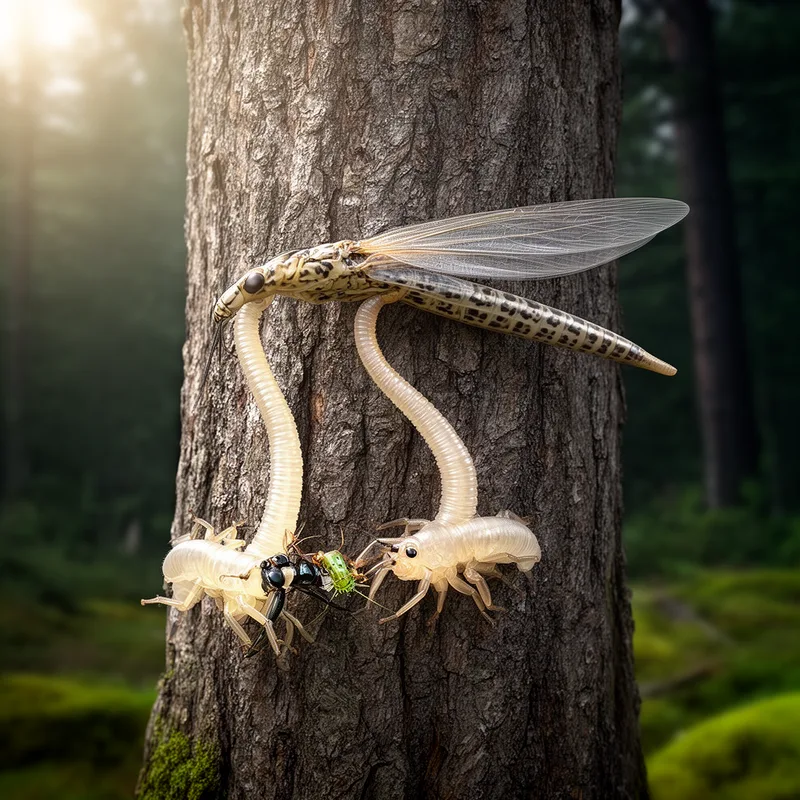
The elongated neck of Raphidiidae distinguishes them from other similar insects.
-
Studies of Raphidiidae contribute to our understanding of insect evolution.
-
Look at that Raphidiidae!
-
What a beautiful Raphidiidae!
-
Researchers collected several species from the family Raphidiidae, which are known for their long, neck-like prothorax and predatory nature.
-
The elongated neck of Raphidiidae makes them easily recognizable among various insect families.
-
Studying the larvae of Raphidiidae helps entomologists learn more about their predatory habits.
Surface Forms
Morphology
Raphidiidae = Raphidia (opaque) = raphidi + idae
The name is a scientific taxonomic formation (genus name + the specialized suffix '-idae') which is unlikely to be meaningful to general learners.
Etymology
Raphidiidae takes its name from a Greek root rhaphis meaning 'needle', which gives a clear picture of their long, thin neck. These insects are called snakeflies and their young hunt other insects, so the 'needle' idea helps you remember their shape and way of life.

