
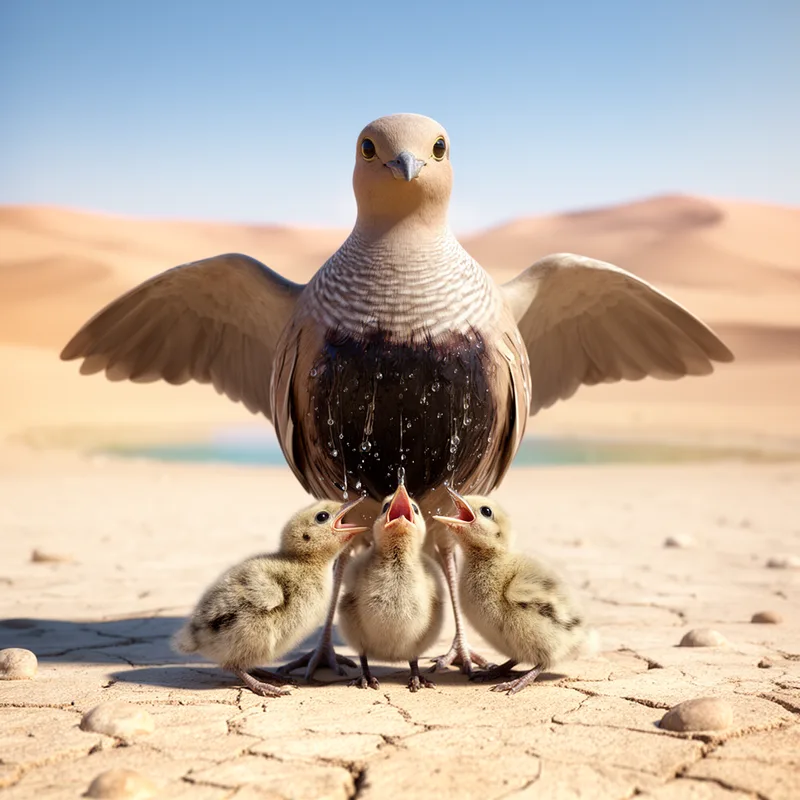
Pteroclididae
- noun
- /ˌtɛrəˈklaɪdəˌdeɪ/
- Specialized
- The family Pteroclididae includes several species of sandgrouse found across Africa and Asia.
Examples
-
The Pteroclididae family includes various species of sandgrouse.
-
Researchers observed that members of the Pteroclididae are highly adapted to arid, sandy habitats.
-
Pteroclididae are known for their unique ability to carry water in their feathers to their young.
-
Did you know that Pteroclididae are adapted to arid environments?
-
The family Pteroclididae consists of birds known for their ability to thrive in dry regions.
-
Members of the Pteroclididae family are often found in sandy habitats across Africa and Asia.
-
Birds in the Pteroclididae family typically have stocky bodies and long pointed wings.
Synonyms


 1
9.9
A bird like a pigeon that lives in dry desert areas with long pointed wings
 1
9.4
A pigeon-like bird with long pointed wings that lives in dry desert areas
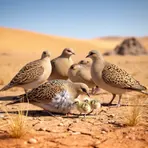
A group of birds called sandgrouse that live in dry places
Compounds
Surface Forms
Morphology
Pteroclididae = Pterocles (opaque) = Pterocles + idae
Formed by adding the specialized taxonomic suffix '-idae' to a genus name; this naming convention is technical and not predictable to an average B1 learner.
Etymology
Pteroclididae starts with ptero-, a Greek root meaning 'wing' (you see it in pterodactyl), and ends with -idae, the scientific ending that means 'family'. So Pteroclididae names a 'family' of birds and the word highlights their notable wings and flying shape.