

Pterocarya
- noun
- /ˌtɛrəˈkɛəriə/
- Specialized
- The Pterocarya is prized for its attractive winged seeds.
Examples
-
The Pterocarya tree can grow up to 30 meters tall.
-
Many Pterocarya species are found in eastern Asia.
-
Botanists classify wingnut trees under the genus Pterocarya.
-
Scientists discovered a new Pterocarya specimen in the river valley.
-
Botanists classify wingnut trees under the genus Pterocarya.
-
The Pterocarya tree can grow up to 30 meters tall.
-
Many Pterocarya species are found in eastern Asia.
Synonyms
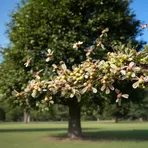
A tree that makes small nuts with wing-like parts that the wind carries
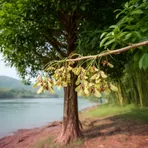
A tree with small winged seeds that grows near rivers in Asia
Compounds

Surface Forms
Morphology
Pterocarya = ptero + carya
A scientific Latin/Greek compound using combining forms ('ptero-' = wing, '-carya' = nut) that are not recognizable standalone English morphemes to an average learner, so the meaning is not derivable from familiar English parts.
Etymology
Pterocarya comes from Greek parts ptero- 'wing' and -carya 'nut', so it literally means 'winged nut'. That's why these trees are called wingnuts: their seeds are like nuts with thin wing shapes that help them travel on the wind.

