
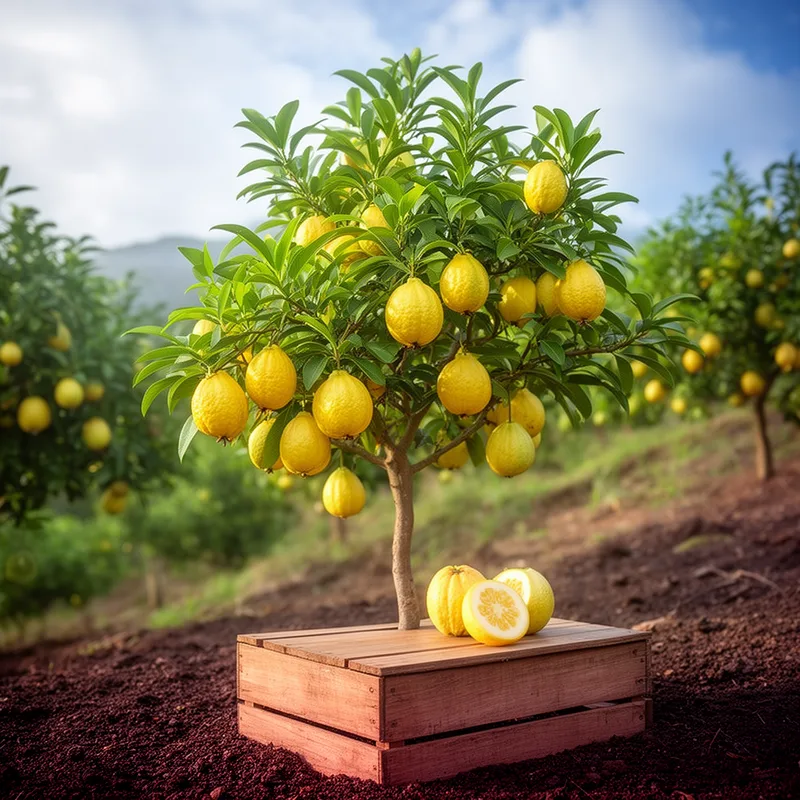
Psidium guajava
- noun
- /sɪˈdiːəm ˈɡwɑːhɑːvə/
- Specialized
- Many farmers cultivate Psidium guajava for its highly valued fruit, commonly known as guava.
Examples
-
The Psidium guajava tree thrives in regions with warm climates and ample rainfall.
-
Research has been conducted into the medicinal properties of Psidium guajava leaves.
-
The Psidium guajava tree thrives in tropical climates.
-
I love the sweet fruit of the Psidium guajava!
-
Many farmers cultivate Psidium guajava for its highly valued fruit, commonly known as guava.
-
The Psidium guajava tree thrives in regions with warm climates and ample rainfall.
-
I love the sweet fruit of Psidium guajava!
Synonyms
 1
4.2
1
4.2

A small tropical tree that produces sweet fruit

A small tree from warm places that makes sweet round yellow fruit

A small tropical shrub or tree often grown in warm places for its sweet yellow fruit

A tropical fruit with sweet pink or white flesh
Surface Forms
Morphology
Psidium + guajava
This is a scientific binomial combining a genus name (Psidium) with a species epithet (guajava) and thus directly names the guava tree; if a learner recognises the botanical naming convention and the element 'guajava' as relating to guava, the meaning is derivable from the parts. However, the Latinized, technical form and the fact that 'guajava' may not be familiar to B1 learners make it not fully predictable for an average learner without some domain knowledge.
Etymology
Psidium guajava puts together a scientific word, Psidium, and the local word guajava for the fruit. The part guajava may come from a Native American word that became Spanish 'guayaba' and then English 'guava', so the name points to the tree that makes the sweet, round 'guava' fruit.