

Prophets
 4
9.1

- noun
- /ˈprɒfɪts/
- In the synagogue, we read passages from the Prophets during the worship service.
Loading YouTube…
Watch on YouTubeAnd so then they get to the prophets.
- And so then they get to the prophets.
- And so there's a lot of ethical discussions in the prophets as well.
- In what way did he rather fulfill either the law or the prophets?
Examples
-
In the name of the Prophets.
-
Do you know the Prophets?
-
Holy God of the Prophets.
-
So Adam through Muhammad you have many of the prophets that are mentioned in the Old Testament.
-
Yet, God has said it all before to Noah Moses, Jesus and all the Prophets -
-
In his book, he points at all prophets as evidence of wrongdoing.
-
What all the prophets say and all the religions promote is true.
-
Nearly all the great sages and prophets were aristocrats.
-
Sitting listening to King's lecture and thinking to himself, I hear the Hebrew prophets in this man's voice.
-
Jesus quoted Hosea 6:6 more frequently than any other text of the Prophets: "I desire loving kindness, not sacrifice."
Blog text (3)
Synonyms


 1
9.9
The second part of the Hebrew Bible that has the books of the prophets like Joshua and Isaiah
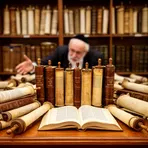
A group of books in the Hebrew Bible that contain writings by prophets
Surface Forms
Morphology
Etymology
Prophets comes from Greek parts: pro- meaning 'before' and phēmi meaning 'to speak', so a prophet is someone who 'speaks before' others, often giving God's message or saying what may happen. That's why the Bible books called the Prophets collect those messages and predictions.