
Porte
 1
9.9
1
9.9

- noun
- Archaic
 :
Puerta
:
Puerta
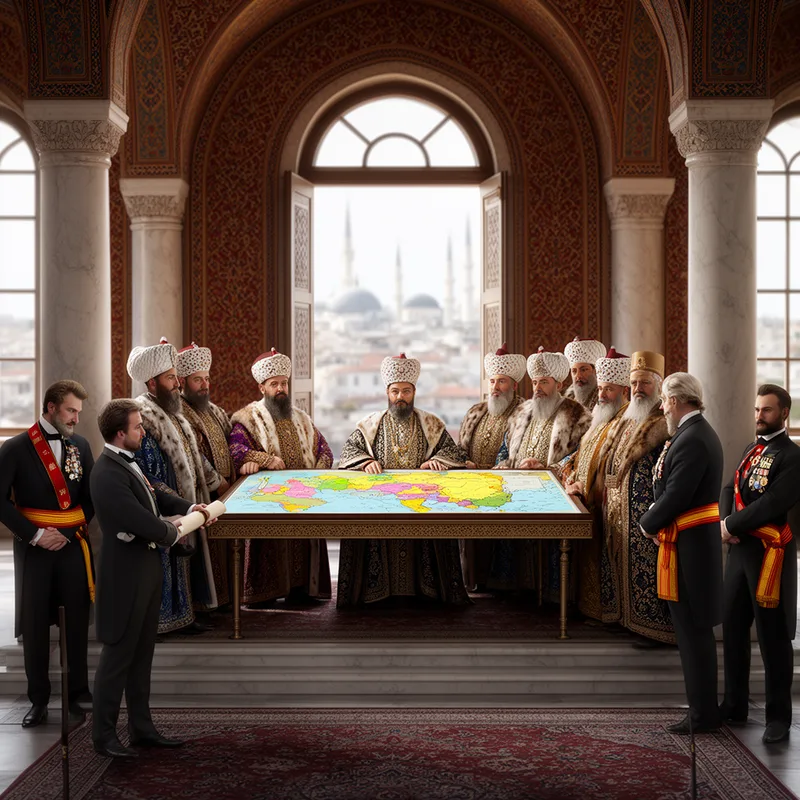
- Many important decisions were made at the Porte, influencing the course of European politics.
Examples
-
My father stopped the car under the porte-cochere, and we cascaded out.
Fiction book (2000) -
Across the street from the apartment was the two-story stuccoed National Theater building with an elegant porte cochere in front.
Fiction book (1992) -
He stopped the big car precisely beneath the porte-cochere and waited for me to finish dressing.
Fiction book (1997) -
But he passed directly by the stately porte cochère.
Fiction book (1995) -
At the front door was a big porte-cochère, and above it the house rose three stories to the scalloped blue-black slates of the roof.
Fiction book (2000) -
Under the porte-cochère stood a beat-up Honda and a Volkswagen with mismatched side panels.
Fiction book (2001) -
When he walked out of the Luxington Parc, he found a 1979 Chevrolet Impala, eggplant with a white vinyl top, waiting for him under the porte cochere.
Fiction book (1997) -
Lichen-splotched elms dropped shade over a porte cochère, ivy-covered balconies, louvered windows, and a blue-tiled roof.
Fiction book (1999) -
In the heart of the city stood the grand porte, where diplomats gathered to negotiate treaties.
-
The envoy presented his credentials to the Porte, eager to strengthen diplomatic ties between nations.
Synonyms

The central government of the Ottoman Empire that handles foreign affairs
Compounds


Surface Forms
Etymology
Porte comes from the French word for 'gate' and from the Turkish name Bab-ı Âli, which means 'High Gate'. Because the ruler's palace and main offices stood behind that gate, European diplomats began to call the Ottoman government 'the Porte', so the word came to mean the central government.