

Polypodiales
- noun
- /ˌpɒlɪˈpoʊdiˌeɪliz/
- Specialized
- Many common ferns in temperate forests belong to the Polypodiales order.
Examples
-
Many common ferns in temperate forests belong to the Polypodiales order.
-
The Polypodiales order includes many popular fern species.
-
Botanists classify the largest diversity of fern species under Polypodiales.
-
The Polypodiales exhibit a wide range of leaf shapes and reproductive adaptations.
-
Did you know that Polypodiales are true ferns?
-
Botanists classify the largest diversity of fern species under Polypodiales.
-
The Polypodiales exhibit a wide range of leaf shapes and reproductive adaptations.
Synonyms

A group of ferns that includes most living fern species
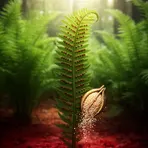
A large group of ferns that make their spores in a special small case
Surface Forms
Morphology
Polypodiales = Polypodium (opaque) = polypodi + ales
The form is a botanical order name formed from a Latinized genus stem plus the technical suffix '-ales', which is specialized and not guessable by general learners.
Etymology
Polypodiales comes from Greek parts poly- 'many', pod 'foot', and the ending -ales 'order'. So, the name suggests a 'many-footed' group of ferns and helps you remember it is a large order that includes many different fern species.

