

Polycarp
 1
9.9

- proper noun
- /ˈpɒlɪkɑrp/
- The Martyrdom of Polycarp serves as the clearest example of created literary parallels between the martyr's experience and the Gospel passion narratives.
- Martyrdom of Polycarp
Examples
-
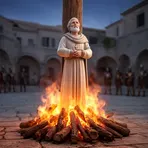
Polycarp was the bishop of Smyrna and was burned at the stake for refusing to burn incense to the Roman emperor.
Blog text (13) -
As Christians, we all know in the not too distant future that we will all be hunted down, and I pray that I can be steadfast like Polycarp.
Blog text (26) -
Irenaeus was a student of Polycarp.
Blog text (13) -
The Martyrdom of St. Polycarp declares, "Blessed indeed and noble are all the martyrdoms that took place in accordance with God's will."
Academic text (2006) -
The Martyrdom of Polycarp, for example, depicts its hero upon his death as "crowned with the garland of immortality and the winner of an incontestable prize."
Academic text (2006) -
Polycarp refused to renounce his faith even when faced with death, showing great courage.
-
As a bishop of Smyrna, Polycarp became a key figure in early Christianity during his time.
-
The story of Polycarp's martyrdom is an important account in Christian history.
Synonyms

 1
9.9
A Christian bishop from Smyrna who refuses to give up his faith and is burned to death
 1
9.9
A Greek bishop of Smyrna in the second century who was killed for his Christian faith
Surface Forms
Etymology
The name Polycarp comes from the Greek parts poly- 'many' and carpos 'fruit', so it means 'very fruitful'. As a bishop remembered for strong faith and many good deeds, the name gives a simple picture of someone who is full of good works.