
Plutonian
- adjective
- /pluˈtoʊniən/
- Literature
- The artist's painting depicted a plutonian landscape, representing the hidden depths of the human soul.
Examples
-
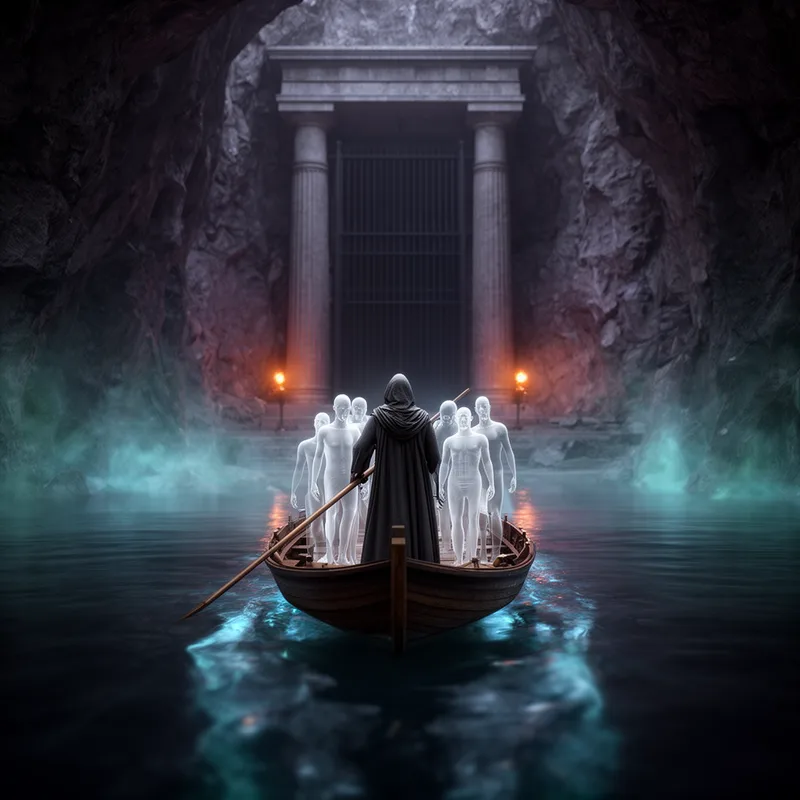
In ancient myths, the plutonian realm was ruled by Hades, the god of the underworld.
-
It's plutonian gold.
-
The dark cave had a plutonian atmosphere, filled with shadows and whispers of the dead.
Synonyms

 1
9.9
1
9.9

So dark and frightening that it feels like a deep underground place

Very dark and frightening like the world of the dead in Greek myth

Relating to the underworld or things under the earth

Very dark and gloomy like a place of the dead

Relating to the underworld of old stories or to the earliest time in Earth's history
Surface Forms
Morphology
Etymology
Plutonian comes from Pluto, the ancient god who ruled the 'underworld' in Roman and Greek stories. You may know the planet Pluto, which has the same name. So Plutonian describes things that are like the world of the dead — very dark, hidden, or deadly.