
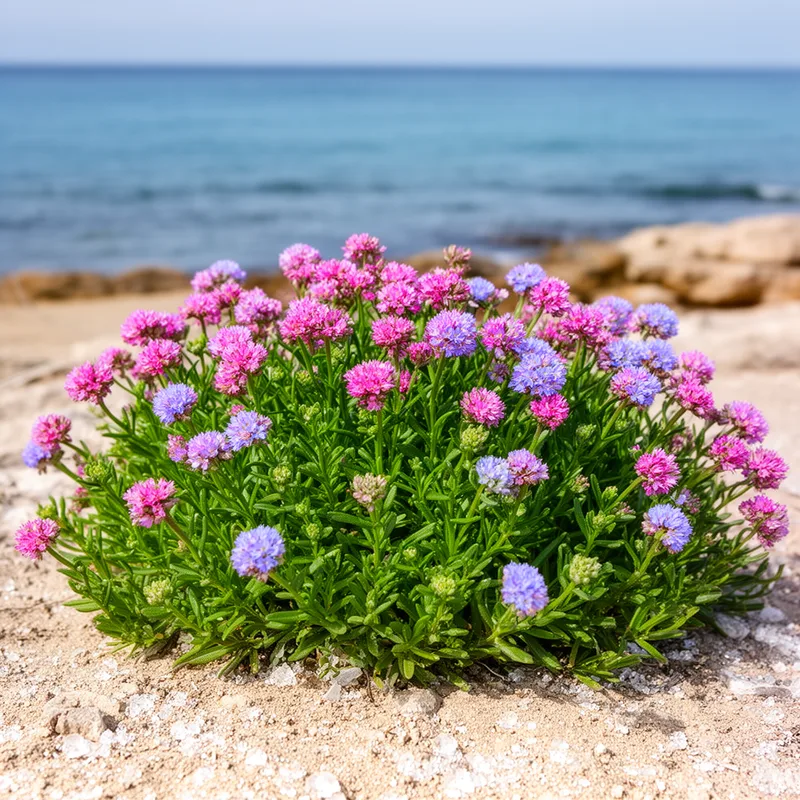
Plumbaginaceae
- noun
- /plʌmˌbeɪdʒəˈniːsiˌi/
- Specialized
- Many species in the Plumbaginaceae family thrive in coastal areas.
Examples
-
Many species in the Plumbaginaceae family thrive in saline coastal environments.
-
Gardeners often cultivate members of the Plumbaginaceae for their attractive flowers and hardiness.
-
Ecologists study Plumbaginaceae to understand plant adaptations to saltwater habitats.
-
The Plumbaginaceae family includes many salt-tolerant plants.
-
Ecologists study Plumbaginaceae to understand how these plants adapt to salty environments.
-
Gardeners often cultivate members of the Plumbaginaceae family for their beautiful flowers.
-
Many species of the Plumbaginaceae flourish in coastal regions around the world.
Synonyms
A group of plants like herbs, shrubs, and vines that grow in salty places worldwide

A family of plants that tolerate salt and grow near coasts worldwide
A group of flowering plants often found in salty places, with simple leaves and bright flowers
Surface Forms
Morphology
Plumbaginaceae = plumbago (opaque) = plumbagin + aceae
This is a Latin taxonomic formation (genus name + the specialized family suffix '-aceae') using obscure botanical combining forms, so learners cannot derive its meaning from the parts using general English knowledge.
Etymology
The word Plumbaginaceae comes from the plant name Plumbago, which comes from the Latin plumbum meaning 'lead'. People once called these plants 'leadwort' either because they were thought to treat lead poisoning or because some looked dull and lead-like, so Plumbaginaceae simply means the 'leadwort family'.

