
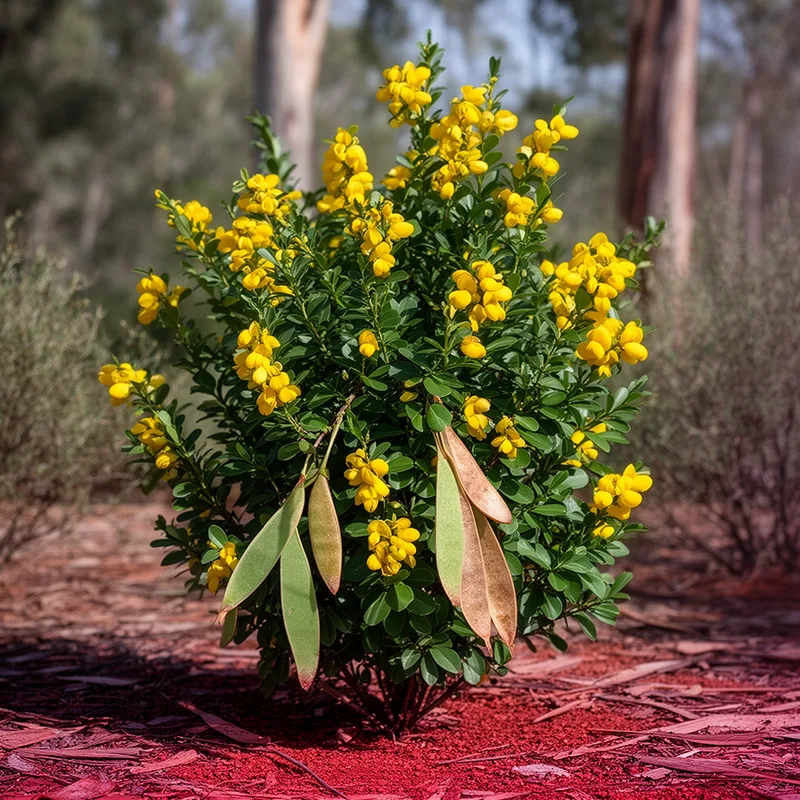
Platylobium formosum
- noun
- Specialized
- Researchers studied the seed dispersal mechanisms of Platylobium formosum in Tasmanian forests.
Examples
-
The Platylobium formosum adds a splash of yellow color to native Australian gardens every spring.
-
Hikers often admire the Platylobium formosum for its distinctively shaped leaves and bright flowers.
-
The Platylobium formosum is known for its vibrant yellow flowers.
-
Many gardeners love the Platylobium formosum for its unique leaves.
-
Hikers often admire the Platylobium formosum for its distinctively shaped leaves and bright yellow flowers.
-
The Platylobium formosum adds a splash of yellow color to native Australian gardens every spring.
-
Many gardeners love the Platylobium formosum for its unique leaves and gorgeous appearance.
Synonyms
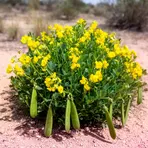
A low evergreen shrub with heart-shaped leaves, bright yellow pea-like flowers, and flat seed pods
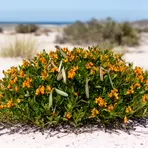
A low, spreading evergreen shrub from southern Australia with triangular or heart-shaped leaves, orange-yellow flowers and flat winged pods
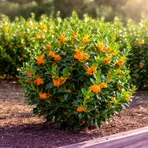
A low evergreen shrub from southern Australia with triangular or heart-shaped leaves and orange-yellow flowers
Surface Forms
Morphology
Platylobium + formosum
This is a Latin binomial (a scientific species name) functioning as a proper noun; its meaning (a specific evergreen shrub with particular leaves and flowers) is not derivable by a B1 learner from the surface constituents. The genus name might signal a plant but the specific epithet 'formosum' is not given in the dictionary and requires knowledge of Latin or botanical nomenclature, so the overall label is opaque to typical learners.
Etymology
Platylobium formosum comes from old Greek and Latin words: platy meaning 'flat', lobium meaning 'lobe' or 'part of a leaf', and formosum meaning 'beautiful'. These words paint a simple picture of a pretty shrub with flat, wing-like seed pods and heart-shaped leaves, so the name helps you remember what the plant looks like.

