
Platonism
 1
9.9
1
9.9

- noun
- /ˈpleɪtəˌnɪzəm/
- Formal
 :
platonismo
:
platonismo
- Well, the first half of the course, the first module is Platonism and nominalism.
- Neo-Platonism
- Christian Platonism
Augustine, at this stage turns to Platonism for an understanding of the nature of evil.
- Augustine, at this stage turns to Platonism for an understanding of the nature of evil.
- Love of a sexual sort is not evil in Platonism.
- Universals that we often call Platonism, right?
- For anybody who wants to understand Kabbalah, they have to understand Plato and Platonism with the idea that there are these ideal forms.
- One more thing I want to point out, he says about the Platonism thing.
- And so, you know, this is typical Platonism as we've encountered it in the past, right?
Examples
-
For anybody who wants to understand Kabbalah, they have to understand Plato and Platonism with the idea that there are these ideal forms.
-
Despite his use of Platonism, Young seemed aware of the Lockean reservations regarding the theological and devotional arguments of the Newtonians.
Academic text (2016) -
Augustine, at this stage turns to Platonism for an understanding of the nature of evil.
-
Now, it's not my purpose here to try to argue for or against Platonism with regard to abstract entities.
-
His article on Platonism was a defense of the contemporary Catholic position against Protestants.
Academic text (1994) -
Topics include Christians' efforts to construct their own philosophy in opposition to Platonism.
Academic text (2016) -
Augustine's Christian Platonism continues to perplex admirers of his works despite efforts by scholars to resolve it.
Academic text (2007) -
The New Testament authors tended to conceive of Jesus in terms of the chief symbols of the "Old Testament." But the Christian conversation with Greek philosophy, Platonism in particular, effected a change in the kinds of questions asked and answers attained.
Academic text (2010) -
Heidegger means to show that Western metaphysics—and metaphysics includes theology—is a continuously, if sometimes covertly, reiterated Platonism.
Academic text (1997) -
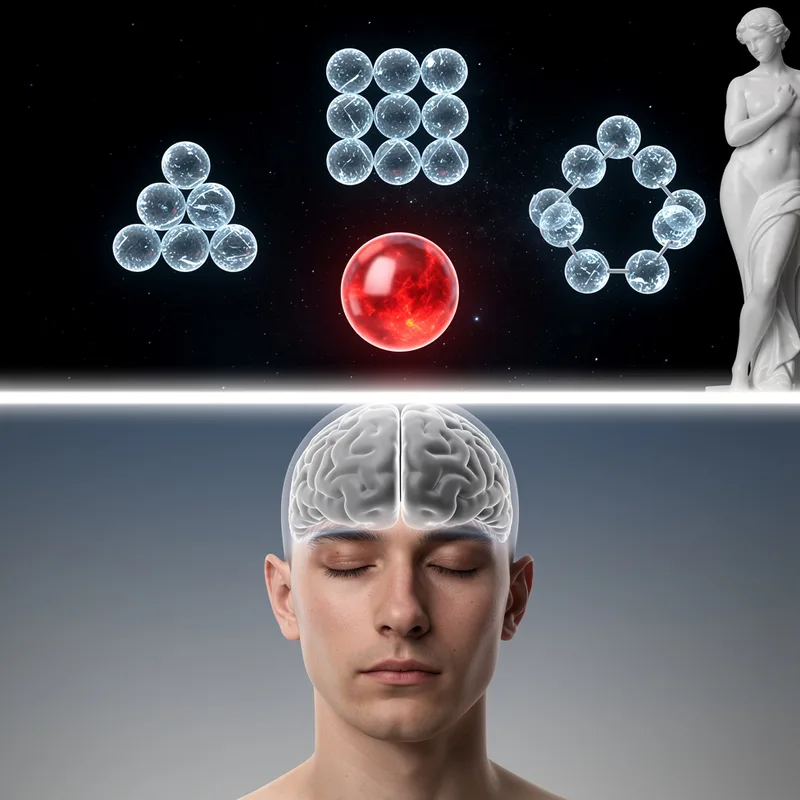
Platonism posits that Platonism concepts like beauty exist independently from our perceptions of them.
Synonyms
 2
8.1
2
8.1
The view that general ideas exist even when no one thinks of them
Surface Forms
Morphology
Etymology
The word Platonism comes from the name Plato and the ending -ism meaning 'belief'. Plato taught that perfect 'forms', like 'beauty' or 'numbers', exist beyond the physical world, so Platonism is the belief that these abstract things are real rather than just names or copies.