
Plasmodiophoraceae
- noun
- /plæzˌmoʊdiəˈfɔːrəˌsiː/
- Specialized
- Several species within the Plasmodiophoraceae family infect crops and cause significant agricultural losses.
Examples
-
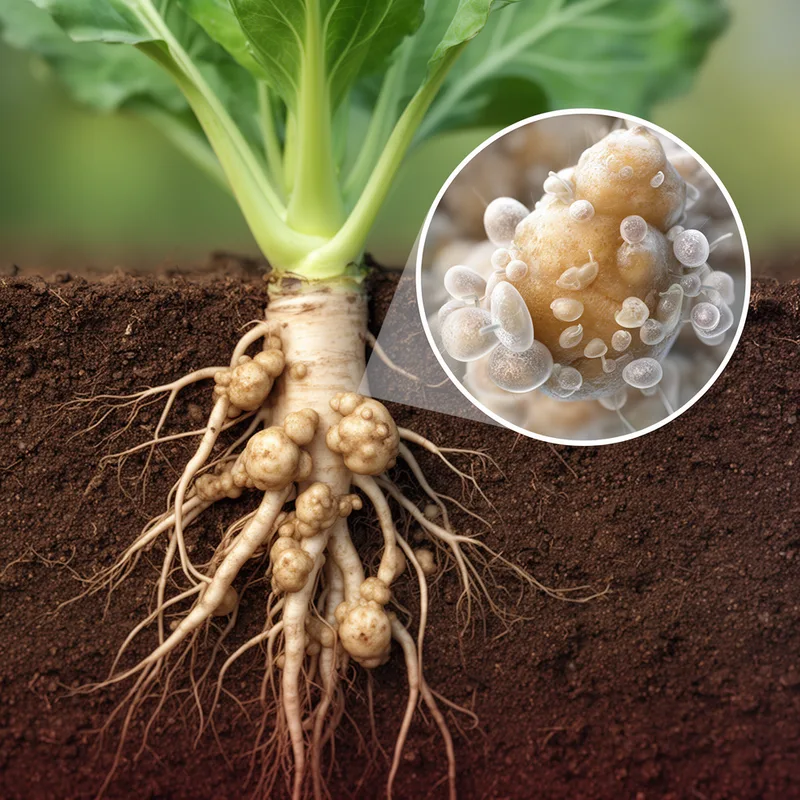
The clubroot disease in cabbages is attributed to a member of the Plasmodiophoraceae.
-
Several species within the Plasmodiophoraceae family cause abnormal growths in seed plants, leading to crop damage.
-
Researchers studied the life cycle of Plasmodiophoraceae in soil and their impact on root health.
-
The Plasmodiophoraceae family includes several important plant pathogens.
-
Researchers are studying the Plasmodiophoraceae to understand their effects on crops.
-
The clubroot disease in cabbages is caused by a type of Plasmodiophoraceae fungus, which results in significant agricultural losses.
-
Researchers are examining how Plasmodiophoraceae fungi affect the root health of various crops in agricultural settings.
Surface Forms
Morphology
Plasmodiophoraceae = Plasmodiophora (semi-transparent) = Plasmodiophora + aceae
Formed from the genus name plus the standard biological family suffix '-aceae'; the structure is regular in taxonomy but the suffix denotes a specialized scientific category unfamiliar to general learners.
Etymology
Plasmodiophoraceae comes from Greek parts plasmo- meaning 'formed mass' and -phora meaning 'bearer', with the family ending -aceae. So these organisms form or carry a soft, moving mass called a 'plasmodium' inside plant roots, which explains why this family name is used for fungi that cause strange growths in seed plants.

