
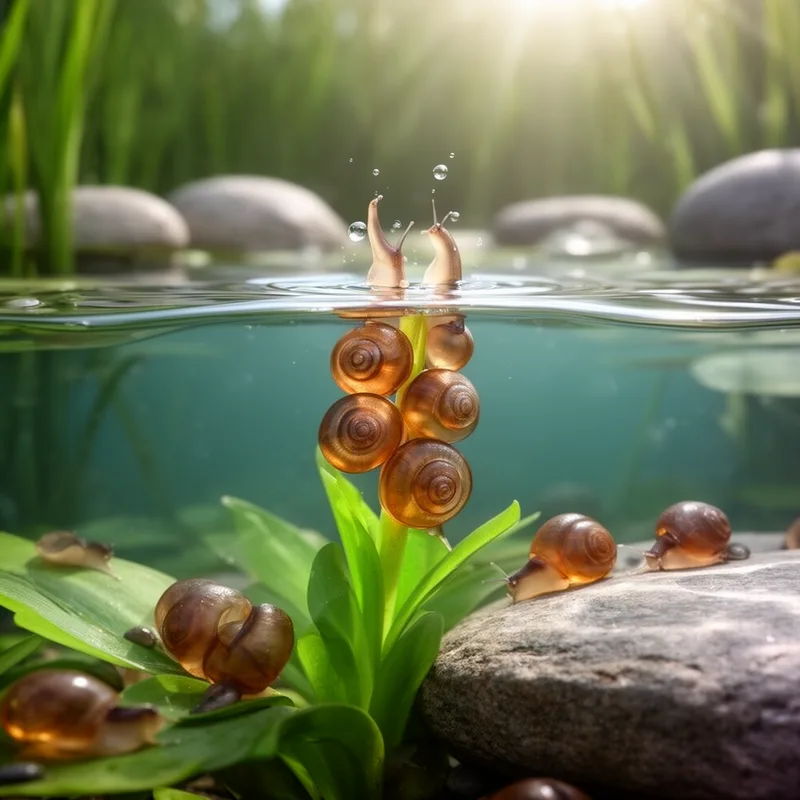
Physidae
- noun
- /ˈfɪzɪˌdeɪ/
- Specialized
- The Physidae are found in ponds and slow-moving rivers throughout North America.
Examples
-
A member of the Physidae, the common bladder snail can adapt to various freshwater habitats.
-
Scientists studied the reproductive behavior of several species within the Physidae family.
-
The Physidae family includes many fascinating species.
-
Have you ever seen a Physidae in a pond?
-
The Physidae family includes small, air-breathing snails commonly found in freshwater environments.
-
In many ponds, you can find various species of Physidae snails swimming near the surface.
-
The Physidae are often seen in lakes, where they thrive in the aquatic vegetation.
Surface Forms
Morphology
Physidae = Physa (opaque) = physa + idae
Formed with the specialized Neo-Latin taxonomic suffix '-idae' joined to a genus name; this formation is specific to scientific nomenclature and not inferable by average learners.
Etymology
Physidae comes from the Greek root physa, which means 'bladder'. A helpful way to remember it is to imagine their small, rounded shells like little bladders, so Physidae are the 'bladder snails' you find in ponds and lakes.

