
Physalis viscosa
- noun
- Specialized
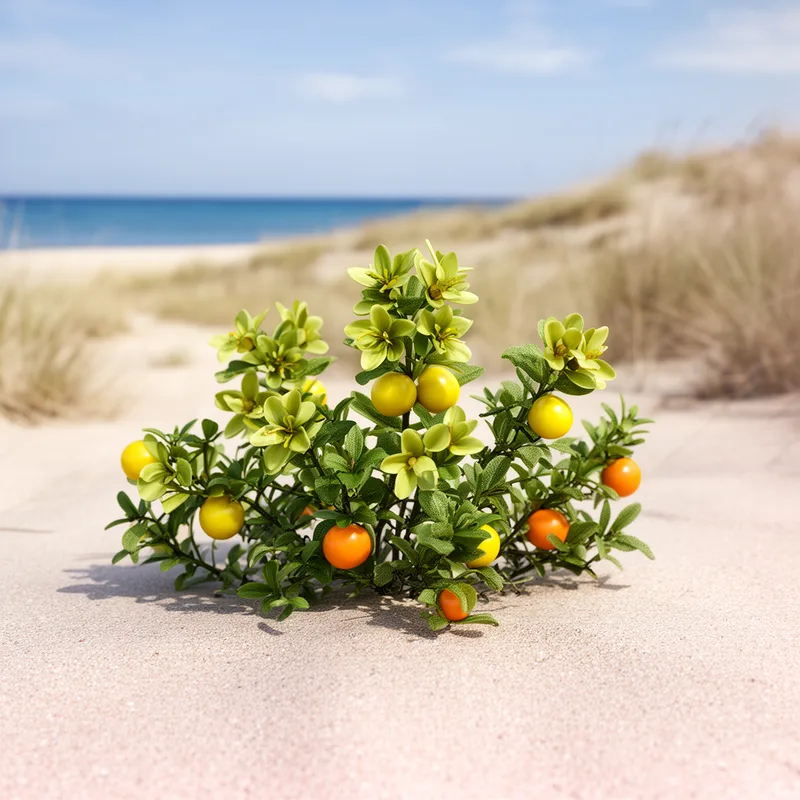
- The Physalis viscosa bushes along the beach produce bright yellow berries in the summer.
Examples
-
Researchers studied the habitat of Physalis viscosa to understand how it adapts to salty environments.
-
A local guide pointed out Physalis viscosa growing near the dunes, explaining its unique medicinal uses.
-
The Physalis viscosa thrives in sandy soils.
-
Have you seen a Physalis viscosa plant before?
-
The Physalis viscosa produces bright yellow berries that are often gathered along the coast.
-
In the coastal dunes, the Physalis viscosa displays its distinctive greenish-yellow flowers.
-
Botanists are researching how Physalis viscosa thrives in its natural beach habitat.
Synonyms

A plant that grows on sandy shores and has yellow-green flowers and orange or yellow berries
Surface Forms
Morphology
Physalis + viscosa
This is a Latin binomial (scientific name) rather than a compositional English phrase; knowing the genus 'Physalis' and an unfamiliar epithet 'viscosa' does not let a B1 learner derive the full meaning (a particular coastal plant with orange berries). The species epithet is a Latin adjective (not a common English word) and taxonomic names are specialist labels whose full referential meaning is not predictable from their parts, so the expression is opaque to typical learners.
Etymology
Physalis viscosa gets its name from old Greek and Latin words that describe the plant's look and feel. The first part, Physalis, comes from a Greek word meaning 'bag' or 'bladder' and points to the paper-like husk that makes each fruit look like a tiny lantern, and the second part, viscosa, comes from a Latin word for 'sticky' referring to the plant's sticky parts. So the name simply describes the plant's 'bag'-like husk and its 'sticky' quality.

