
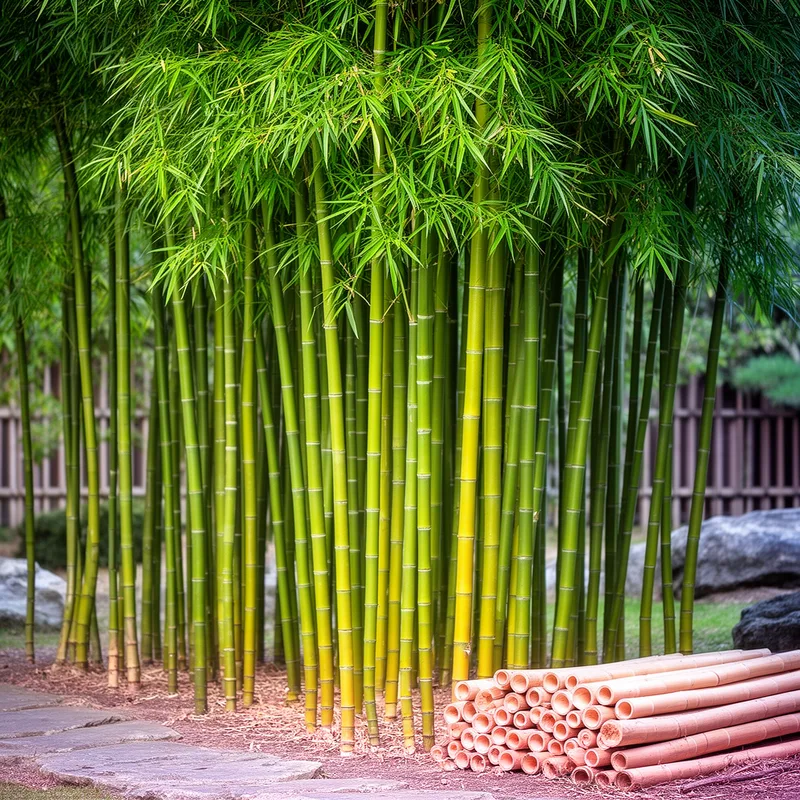
Phyllostachys
- noun
- /ˌfɪloʊˈstækiːs/
- Specialized
 :
Phyllostachys
:
Phyllostachys
- The timber produced by Phyllostachys is highly valued for its strength and versatility.
Examples
-
Many gardeners cultivate Phyllostachys in their landscapes for its striking appearance and rapid growth.
-
Several species within the genus Phyllostachys can tolerate cold climates, making them popular outside Asia.
-
The garden features several types of Phyllostachys.
-
I planted Phyllostachys in my backyard last spring.
-
Many gardeners cultivate Phyllostachys in their landscapes for its striking appearance and rapid growth.
-
The timber produced by Phyllostachys is highly valued for its strength and versatility.
-
Several species within the genus Phyllostachys can tolerate cold climates, making them popular outside Asia.
Compounds
- Specialized
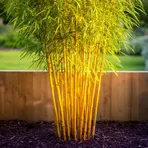
A small bamboo from southeast China grown as a garden plant for its golden stems

- Specialized
A large bamboo plant with hard stems used for building and furniture

- Specialized
A small bamboo plant with green stems that turn shiny black as they grow
Surface Forms
Etymology
Phyllostachys comes from Greek roots phyll- meaning 'leaf', the same root as in chlorophyll, and -stachys meaning 'spike'. So it literally means 'leaf-spike', an easy picture for a bamboo with long leaves and spike-like flowering stems that people grow for gardens and timber.

