

Phyllitis scolopendrium
- noun
- Archaic
- Botanists identified the unique fronds of Phyllitis scolopendrium during their field study in the woodland area.
Examples
-
In damp, limestone-rich soil, Phyllitis scolopendrium can spread and create a lush green carpet.
-
The shaded garden thrives with a cluster of Phyllitis scolopendrium near the old stone wall.
-
The Phyllitis scolopendrium thrives in moist, shady areas.
-
I found a Phyllitis scolopendrium in my garden last summer.
-
Botanists identified the unique fronds of Phyllitis scolopendrium during their field study in the woodland area.
-
In damp, limestone-rich soil, Phyllitis scolopendrium can spread and create a lush green carpet.
-
The shaded garden thrives with a cluster of Phyllitis scolopendrium near the old stone wall.
Synonyms

A fern from Europe and Asia with long tongue-shaped leaves that grows in moist shade

A fern with long flat leathery leaves that grows in shade

A fern with long flat green leaves that look like a tongue
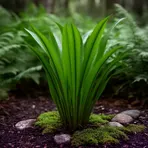
A fern with long narrow leaves that look like a millipede
Surface Forms
Morphology
Both constituent elements refer to ferns (a genus name and a descriptive species element meaning strap-like/undivided fronds), so their combination straightforwardly denotes a particular kind of fern. Although it is a technical scientific binomial, its meaning is compositionally derivable from the parts, so a learner who knows the constituents can infer it refers to a specific fern species.
Etymology
Phyllitis scolopendrium may come from old words: Phyllitis meaning 'leaf' and scolopendrium meaning 'hart's-tongue'. One popular story says people called the fern this because its long, simple fronds look like a deer's tongue, so the name points to the plant's shape today.

