

Phegopteris hexagonoptera
- noun
- Specialized
- Botanists easily recognize Phegopteris hexagonoptera by its unique straw-colored stripes running along the leaflets.
Examples
-
The Phegopteris hexagonoptera thrives in moist, shaded woodlands throughout eastern North America.
-
Gardeners often plant Phegopteris hexagonoptera in shaded areas to create a natural, woodland effect.
-
The Phegopteris hexagonoptera thrives in shaded woodland areas.
-
Many gardeners appreciate the beauty of Phegopteris hexagonoptera.
-
Botanists easily recognize Phegopteris hexagonoptera by its unique straw-colored stripes running along the leaflets.
-
The Phegopteris hexagonoptera thrives in moist, shaded woodlands throughout eastern North America.
-
Gardeners often plant Phegopteris hexagonoptera in shaded areas to create a natural, woodland effect.
Synonyms

A fern that grows in North American woods and has light brown stripes

A plant with wide leaves found in North American woods marked by light straw-colored stripes

A fern that grows in North American woods with straw-colored stripes
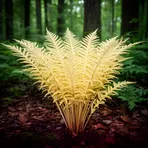
A fern that grows in shady North American woods with pale yellow stems and leaves
Surface Forms
Morphology
Phegopteris + hexagonoptera
This is a Latin scientific binomial (a proper name for a species), so its meaning as ‘a species of beech fern with straw-coloured stripes’ is not compositionally derivable from the surface parts by a B1 learner. One constituent ('hexagonoptera') is not a common English word (no dictionary definition provided), and even if its classical roots were recognized, they would not reliably yield the taxonomic identity or the described traits, so the expression is opaque.
Etymology
Phegopteris hexagonoptera may come from old Greek words: Phegopteris meaning 'beech fern' and hexagonoptera meaning 'six-sided wing'. The name fits the plant because it has wing-like leaflets and straw-colored stripes, so the image helps you remember this fern species.

