
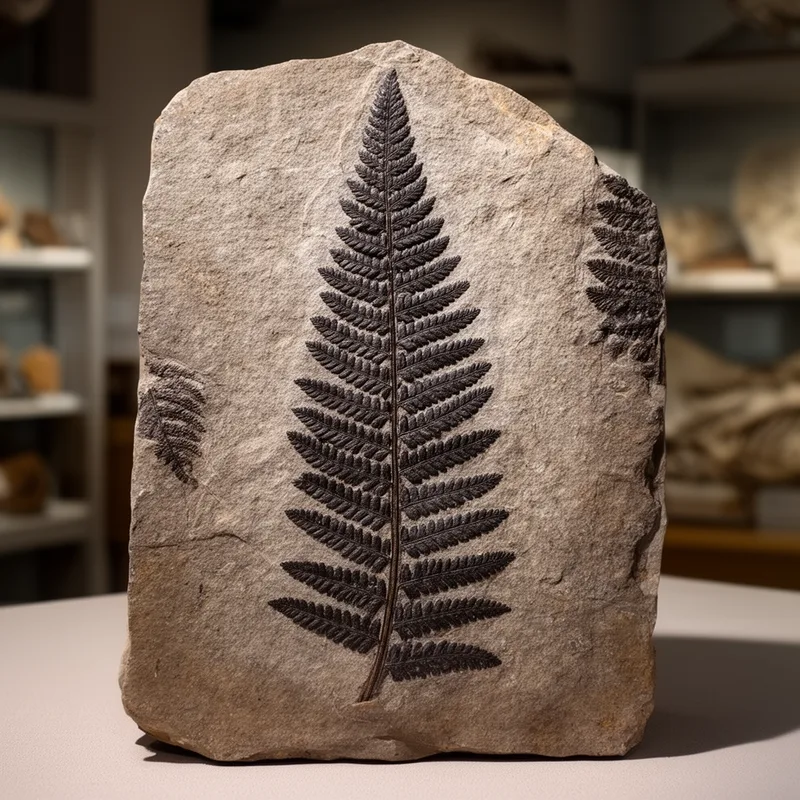
Pecopteris


 1
9.9
- noun
- /ˌpɛkəˈtɪrɪs/
- Specialized
- The finely divided fronds of Pecopteris make it easily recognizable in fossil collections.
Examples
-
Paleobotanists have studied Pecopteris to understand ancient plant communities.
-
The Pecopteris fossils were discovered in a coal mine.
-
Fossil specimens of Pecopteris are common in many Carboniferous coal seams.
-
Many Pecopteris species thrived during the Carboniferous period.
-
The paleontologist discovered a well-preserved specimen of Pecopteris during the excavation.
-
Fossils of Pecopteris provide valuable insights into the vegetation of the Carboniferous period.
-
The leaves of Pecopteris resemble those of modern tree ferns.
Surface Forms
Etymology
Pecopteris comes from parts that mean 'comb' and 'fern', from pecten and pteris, so it literally means a 'comb-like fern'. Fossils of Pecopteris have leaves split into many narrow parts like the teeth of a comb, which is why the name fits.