
Passionist


 1
9.1
- noun
- /ˈpæʃənɪst/
- Collection of the Passionist Fathers of Wezembeek-Oppem. 16b reverse view.
- Passionist Fathers
Examples
-
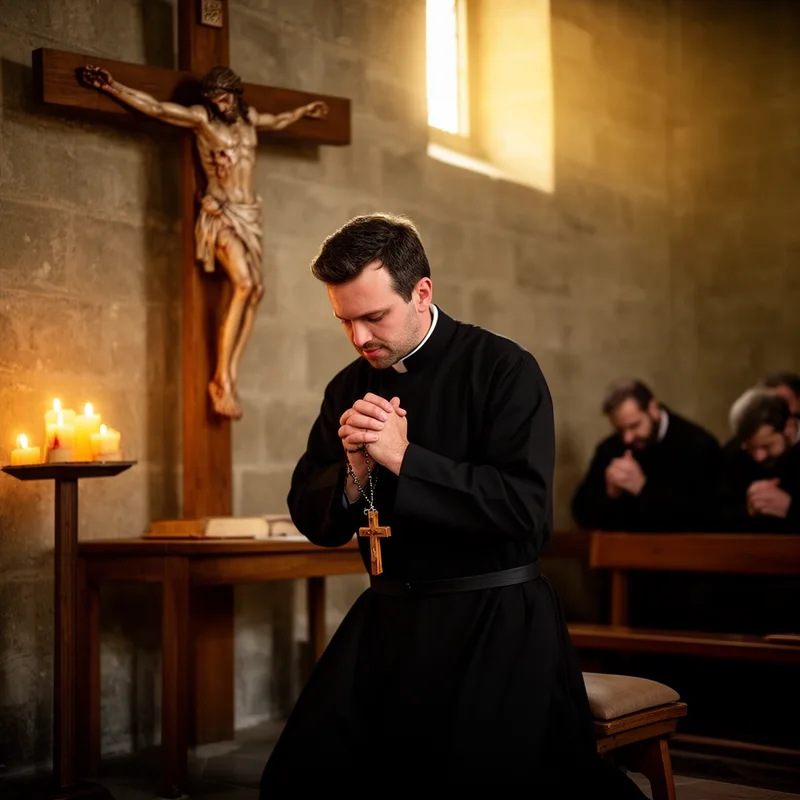
As a member of the Passionist order, Father John focuses on promoting the teachings of Christ's suffering.
-
In late 1979, a group of Passionist Fathers took over the administration of the parish, but pastoral work was severely constrained by the climate of repression.
Academic text (1996) -
After a period of decline, in 1989 a new Spanish Passionist assumed administration of the parish.
Academic text (1996) -
Passionist Nuns of Saint Joseph Monastery in the Diocese of Owensboro, Kentucky, USA
Blog text (29) -
We pray especially that many may welcome your call to Passionist life in this monastery, so that the Passionist Nuns may continue to give witness to your merciful love poured out in the Passion, death, and resurrection of Jesus, your Son.
Blog text (29) -
We pray especially that many may welcome your call to Passionist life in this monastery, so that the Passionist Nuns may continue to give witness to your merciful love poured out in the Passion, death, and resurrection of Jesus, your Son.
Blog text (29) -
Colored photograph; 40cm x 30cm (15 3/4" x 11 3/4") Collection of the Passionist Fathers of Wezembeek-Oppem 22
Academic text (2008) -
42.7 cm x 33.5 cm (16 3/4" x 13") Collection of the Passionist Fathers of Wezembeek-Oppem 21 Photograph of Kuba or Tetela chief, probably 1930s
Academic text (2008) -
The Passionist priests are dedicated to serving their community through spiritual guidance and outreach.
-
The Passionist missionaries traveled to various countries to share their faith and help those in need.
Surface Forms
Morphology
Etymology
The word Passionist for a person comes from the Latin passio, meaning 'suffering', plus the ending -ist, meaning 'one who'. A Passionist is a member of a religious order devoted to the 'Passion', the suffering and death of Christ.