
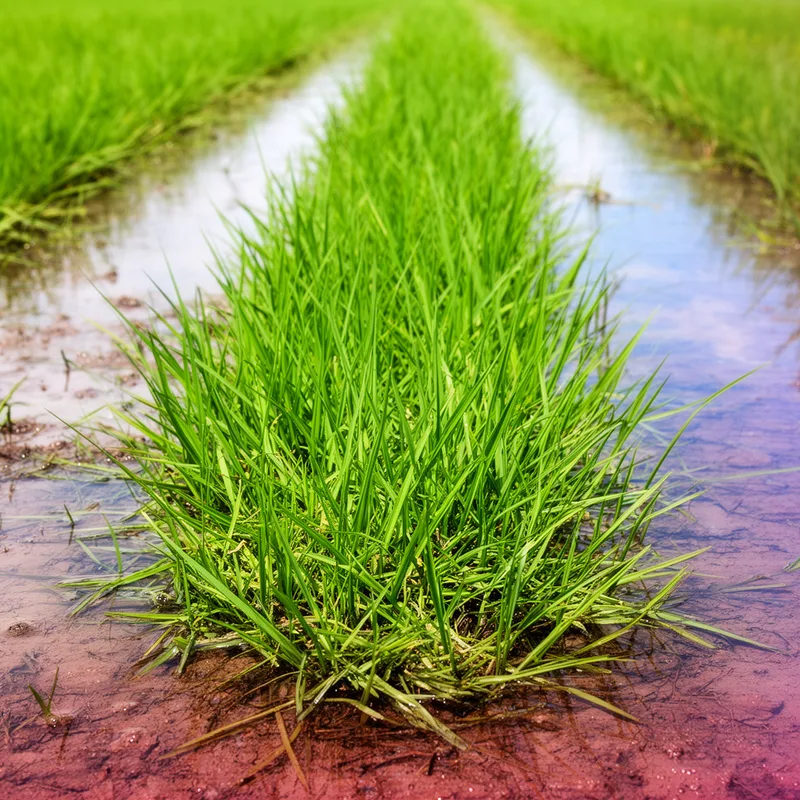
Paspalum distichum
- noun
- Specialized
- In wetlands, Paspalum distichum thrives, often forming dense patches.
Examples
-
Gardeners consider Paspalum distichum a troublesome weed in many regions.
-
The banks of the stream were densely covered in Paspalum distichum.
-
Flooded rice fields often become overrun with Paspalum distichum.
-
The garden was filled with Paspalum distichum.
-
Have you seen Paspalum distichum growing near the pond?
-
Many farmers struggle with Paspalum distichum, as it invades their pasture lands.
-
Hikers noticed Paspalum distichum growing abundantly along the riverbanks.
Synonyms

A low plant with thin stems and small seed heads that grows in fields and waste places
Surface Forms
Morphology
Paspalum + distichum
This is a scientific Latin binomial (genus + species) rather than a compositional English phrase; a B1 learner knowing 'Paspalum' might infer it is a grass genus, but the species epithet 'distichum' is not an everyday English word and does not transparently contribute the detailed meaning. The specific description ('low-growing weedy grass with spikelets arranged along the leaf stems') cannot be derived from the constituents by an average B1 learner, so the expression is opaque.
Etymology
Paspalum distichum comes from old plant words: paspalum was a name for a kind of grass and distichum means 'two rows'. That last word points to the plant's little flower heads that grow in two lines along the stem, so the name helps you picture this low 'knotgrass' or 'weed' that likes wet places.

