
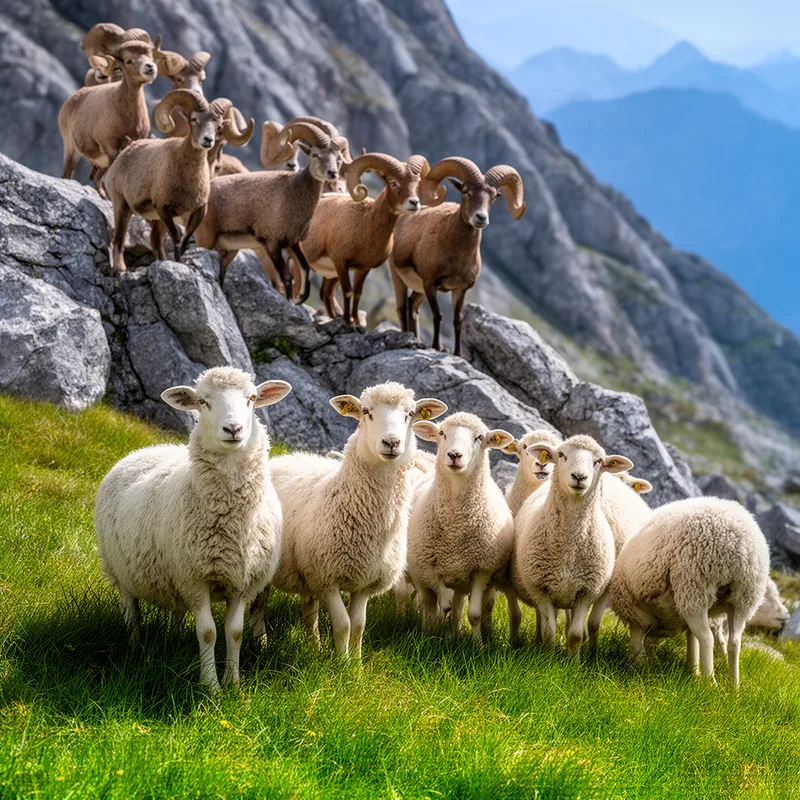
Ovis
- noun
- /ˈoʊvɪs/
- Specialized
- In the mountains, the Ovis canadensis, or bighorn sheep, are known for their impressive curved horns.
Examples
-
The Ovis genus includes many species, such as domestic sheep and the wild mouflon.
-
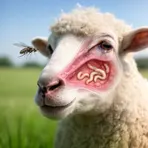
PHOTO (COLOR): Hair loss and skin damage caused by an extensive infestation of mange mites, Psoroptes ovis. (K7268-14)
Academic text (1996) -
Scientists study Ovis species to better understand the domestication of livestock.
Synonyms
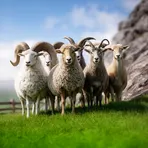
A group of mammals that includes domestic and wild sheep
Compounds


- Specialized
A wild sheep with large curved horns that lives in the mountains of western North America
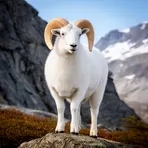
- Specialized
A large white wild sheep that lives in northwestern Canada and Alaska

- Specialized
A wild mountain sheep from Corsica and Sardinia with curved horns often thought to be an ancestor of domestic sheep
Surface Forms
Etymology
Ovis comes from the Latin word ovis, meaning 'sheep'. You can see the same root in the English word ovine ('sheep-like'), so Ovis is the scientific name for the group that includes sheep.

