
Oscillatoriaceae
- noun
- /ˌɑsɪləˈtɔriˌeɪsiˌi/
- Specialized
- Members of the Oscillatoriaceae are common in freshwater environments around the world.
Examples
-
Blooms of Oscillatoriaceae can sometimes produce toxins that affect aquatic life.
-
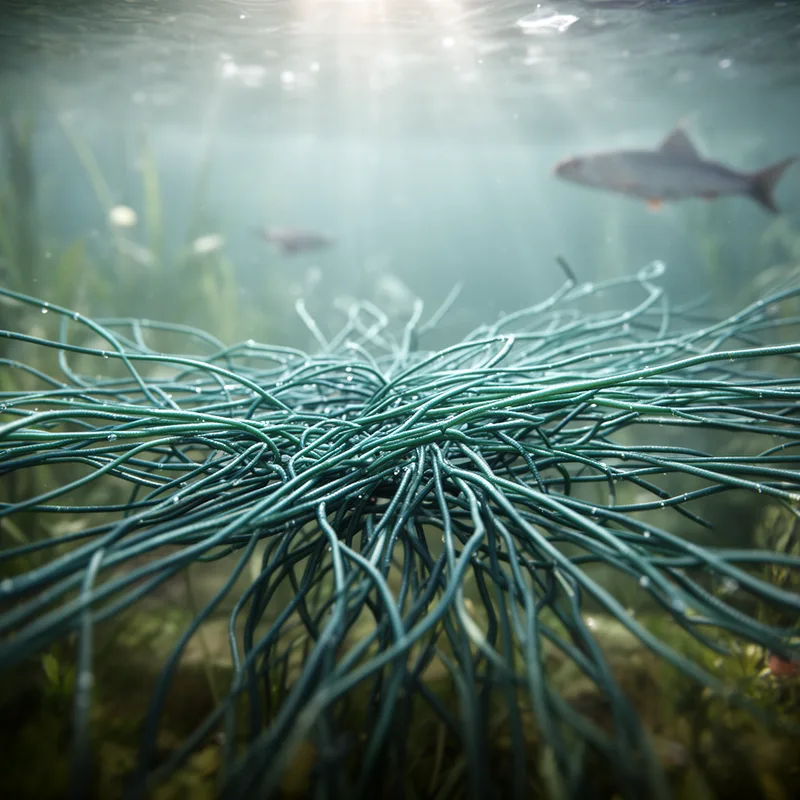
The family Oscillatoriaceae is known for its filamentous structure.
-
Scientists studied the structure of several Oscillatoriaceae species under the microscope.
-
Many species of Oscillatoriaceae thrive in freshwater environments.
-
Blooms of Oscillatoriaceae can sometimes produce toxins that affect aquatic life.
-
Members of the Oscillatoriaceae family are frequently found in freshwater environments worldwide.
-
Scientists examined the filamentous structure of various Oscillatoriaceae species in their research.
Surface Forms
Morphology
Oscillatoriaceae = Oscillatoria (opaque) = Oscillatoria + aceae
The formation is a standard taxonomic derivation (genus → family using '-aceae'), which is clear within scientific naming but requires domain knowledge.
Etymology
Oscillatoriaceae comes from the Latin word oscillare meaning 'to swing' plus the family ending -aceae, and it shares the same root as the English word oscillate. The name points to the way these long, blue-green algae often move or seem to 'swing' in water, so the family is named for that back-and-forth motion.

