
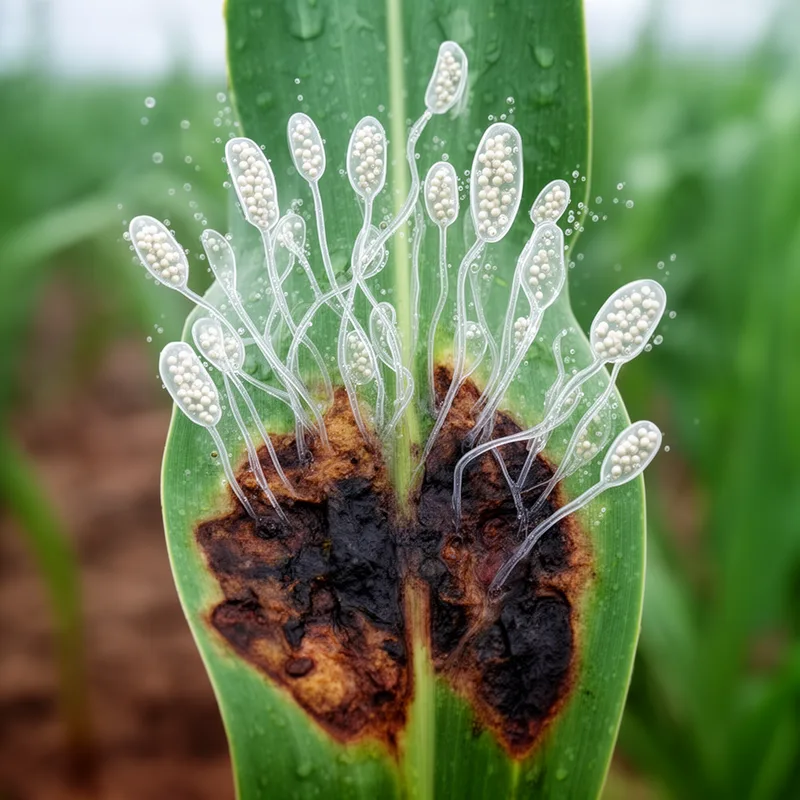
Oomycetes


 1
9.9
- noun
- /ˌoʊəˈmaɪsiːtiz/
- Specialized
- Many plant pathogens belong to the Oomycetes, causing diseases such as late blight in potatoes.
Examples
-
The Oomycetes differ from true fungi by having cell walls made of cellulose rather than chitin.
-
The Oomycetes are often found in aquatic environments.
-
Researchers studied how the Oomycetes infect aquatic plants in freshwater ecosystems.
-
Many Oomycetes can cause diseases in plants.
-
Many plant pathogens belong to the Oomycetes, causing diseases such as late blight in potatoes.
-
Researchers studied how the Oomycetes infect aquatic plants in freshwater ecosystems.
-
The Oomycetes differ from true fungi by having cell walls made of cellulose rather than chitin.
Surface Forms
Morphology
Oomycetes = oomycete (transparent) = oomycete + s
This form is a straightforward plural (-s) of the singular 'oomycete'; the plural relation is regular and obvious.
Etymology
Oomycetes comes from Greek parts oo- meaning 'egg' and -mycetes meaning 'fungus'. The name points to how these fungus-like organisms make 'egg'-like spores, so thinking of them as 'egg fungi' helps you remember what they are.