

Nymphaea lotus
- noun
- Specialized
- The ancient Egyptians often depicted the Nymphaea lotus flower in their art and religious ceremonies.
Examples
-
In the palace gardens, a pond filled with Nymphaea lotus added a serene beauty to the landscape.
-
Botanists study the Nymphaea lotus for its unique ecological role in freshwater habitats.
-
The Nymphaea lotus is often seen in the Nile River.
-
Many artists have painted the Nymphaea lotus in their works.
-
The ancient Egyptians often depicted the Nymphaea lotus flower in their art and religious ceremonies.
-
In the palace gardens, a pond filled with Nymphaea lotus added a serene beauty to the landscape.
-
Botanists study the Nymphaea lotus for its unique ecological role in freshwater habitats.
Synonyms
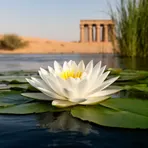
A white water lily that grows on water in Egypt and nearby regions, once sacred to the ancient Egyptians

A white water lily with fragrant flowers that grows in ponds
Surface Forms
Morphology
This is a literal scientific binomial composed of a genus name 'Nymphaea' (water lilies) and the noun 'lotus' (a water plant), so a learner who knows both constituents can infer it denotes a species of water lily. Binomial naming is compositional and cross-linguistically recognized as naming a type of plant, making the meaning predictable from the parts.
Etymology
The noun Nymphaea lotus names the white Egyptian water-lily that grows on calm ponds and was sacred in ancient Egypt. The strong image of this flower rising from the water and appearing in temples and art explains why people used it as a symbol of 'rebirth' and makes the name easy to remember.

