

Nitrosomonas
- noun
- /naɪtroʊsəˈmoʊnəs/
- Specialized
- In soil, Nitrosomonas convert ammonia into nitrites.
Examples
-
The Nitrosomonas bacteria play a crucial role in the nitrogen cycle.
-
Researchers studied the growth rate of Nitrosomonas in different agricultural environments.
-
Nitrosomonas play an essential role in the nitrogen cycle by converting ammonia to nitrites in soil.
-
The presence of Nitrosomonas can greatly influence soil fertility and plant health.
-
Nitrosomonas are essential bacteria in the soil that transform ammonia into nitrites, supporting the nitrogen cycle.
-
The study focused on how Nitrosomonas contribute to nitrogen conversion in agricultural soils.
-
By converting ammonia to nitrites, Nitrosomonas improve soil quality and promote healthy plant growth.
Synonyms

A bacterium that turns ammonia in soil into nitrites

A tiny living thing that turns ammonia into nitrite in soil or water

Soil bacteria that change ammonia into nitrites during the nitrogen cycle

Soil bacteria that change ammonia into nitrite to help make nutrients for plants
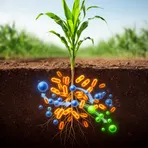
A soil bacterium that changes ammonia into forms plants can use
Surface Forms
Morphology
Nitrosomonas = nitroso + monas
A scientific taxonomic coinage formed from classical combining forms (nitroso- + monas) that are not productive or familiar to average learners, so the meaning cannot be derived from common English base words.
Etymology
Nitrosomonas comes from the parts nitroso- meaning 'nitrogen compound', like in 'nitrogen', and -monas meaning 'single' or 'one cell'. So the name describes a one-celled organism that works on nitrogen, which is why Nitrosomonas are soil bacteria that convert ammonia into nitrites.

