
Nisei
 3
9.0

- noun
- /ˈniˌseɪ/
- US
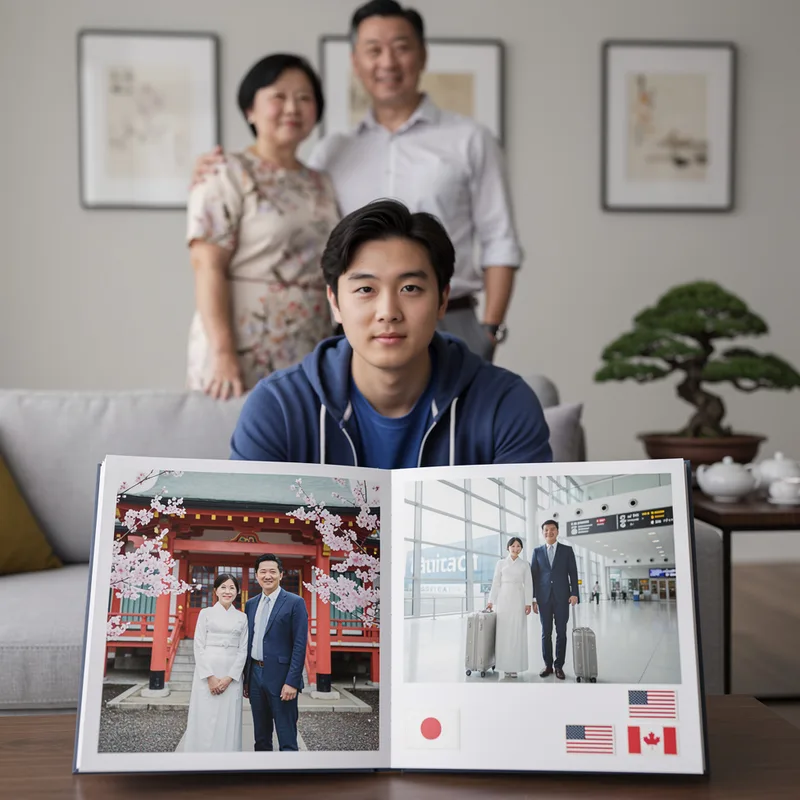
- Born in the United States, the Nisei were citizens, while American law refused citizenship to their parents.
- Nisei girls
- Nisei boys
- Nisei women
Examples
-
The community owed the relative peace to Chizu Sanada, the Nisei spouse of a Filipino.
Academic text (2003) -
Attending high school was thus unusual for Nisei girls during the first three decades.
Academic text (1995) -
Indeed, teaching provided Nisei women with the opportunity to help their parents financially.
Academic text (1995) -
And, as already noted, Nisei girls often insisted on remaining in school.
Academic text (1995) -
In keeping with Japanese values, Nisei men took precedence over Nisei women.
Academic text (1995) -
On the other hand, teaching was the profession most accessible to the Nisei in Hawai'i.
Academic text (1995) -
Teaching was thus an important avenue of upward mobility for both Nisei men and women in Hawai'i.
Academic text (1995) -
A 1949 report listed Nisei children in Los Angeles orphanages needing foster care.
Academic text (2003) -
But changes were occurring, and Nisei school enrollments were gradually coming to reflect American norms.
Academic text (1995) -
The Nisei played a crucial role in bridging the cultural gap between their Japanese heritage and American society.
Surface Forms
Etymology
Nisei comes from two Japanese parts: ni meaning 'two' and sei meaning 'generation' or 'born'. So a Nisei is the 'second generation', a person born in a new country to Japanese immigrant parents.