
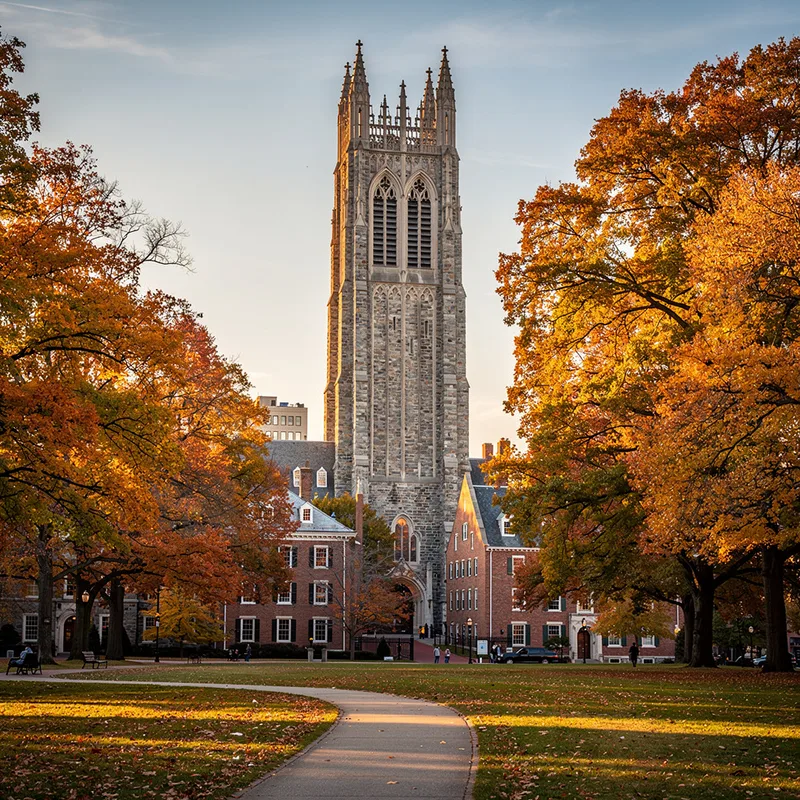
New Haven
 46
2.8

- proper noun
- /nuː ˈheɪvən/
- You know, I could have a sausage and mushroom pizza at, you know, one of a handful of places in New Haven, CT and be just as happy as as a clam, no pun intended.
- New Haven: Yale
- New Haven: Yale University
- New Haven, Conn.
Loading YouTube…
Watch on YouTubeJoshua Beckman was born in New Haven, CT.
- Joshua Beckman was born in New Haven, CT.
- I moved back east to New Haven to live with my now wife, who is in the audience with us today.
- His brother came here to New Haven at one point, but not Ellihue.
- The agents in New Haven, she gave them the tape she had made.
- The plane flew from Dallas to New Haven with a pit stop the floor flying back later that afternoon.
Examples
-
Dylan sat in a chair and looked out the window at New Haven.
Fiction book (1998) -
Moreover, black leaders in New Haven welcomed Lee and Logue's efforts.
-
I moved once, to New Haven, and it was a bad idea.
Fiction book (1991) -
I had gone to New Haven to visit an old friend.
Fiction book (1994) -
So they came to New Haven, and you probably know where W Rock is.
-
The commercial oyster industry may have developed first in New Haven, Connecticut.
Academic text (1996) -
Two weeks later, he'd taken the train back to New Haven with the first draft in tow.
Fiction book (1991) -
Joshua Beckman was born in New Haven, CT.
-
We used to argue at New Haven whether we'd shake hands with Al Capone if we met him.
Fiction book (1997) -
The prestigious Yale University is located in New Haven, Connecticut.
Surface Forms
Morphology
The place name 'New Haven' is compositionally interpretable from 'new' + 'haven' as a 'new safe harbor' or refuge, so a learner who knows both words would understand it refers to a place (likely a town or harbor). They would not, however, be expected to deduce the specific geographic location or its association with Yale, but the basic referential meaning is transparent from the constituents.
Etymology
New Haven comes from early English settlers who called the site a new 'haven', meaning a safe 'harbor' or 'refuge'. The name joins New and Haven, so today it simply refers to the city that grew there.