
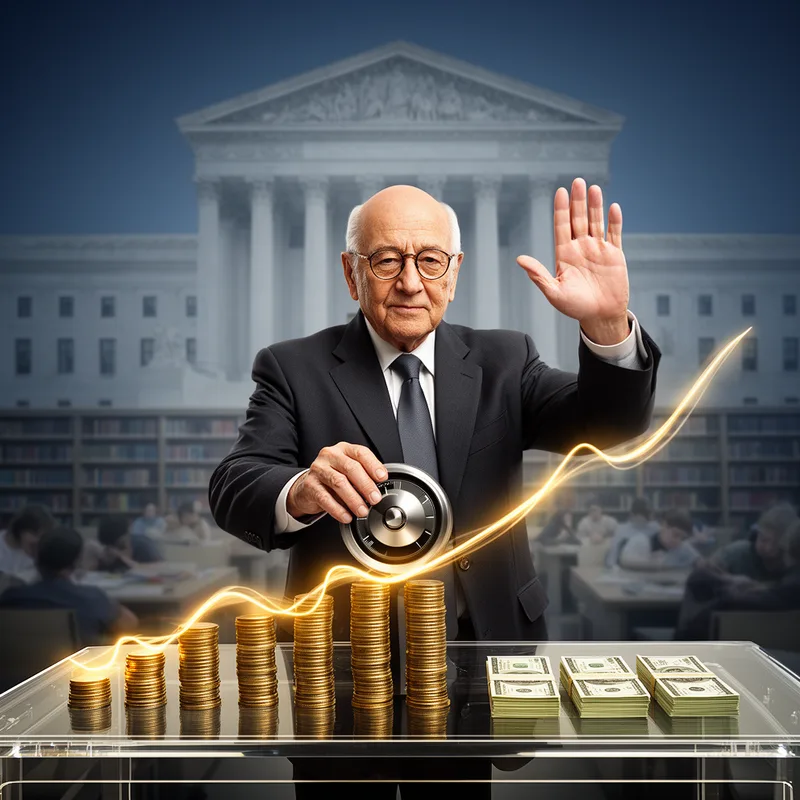
Milton Friedman
 10
6.6

- proper noun
- /ˈmɪltən ˈfriːdmən/
- After receiving the Nobel Prize, Milton Friedman continued to advocate for economic freedom and sound monetary policy.
Examples
-
The policies advocated by Milton Friedman continue to influence economic debates around the world.
-
Many universities offer courses dedicated to the theories of Milton Friedman and his contributions to monetarism.
-
Milton Friedman won the Nobel Prize in Economics for his work on consumption analysis and monetary history.
-
Milton Friedman was a great economist.
-
Did you know Milton Friedman won the Nobel Prize in Economics?
-
Milton Friedman was a renowned economist known for his influential ideas on monetarism and free markets.
-
Many policies adopted in the 1980s were inspired by the teachings of Milton Friedman, emphasizing limited government intervention.
Surface Forms
Morphology
Milton + Friedman
This is a referential proper name for a specific individual; the constituent tokens 'Milton' and 'Friedman' do not convey the biographical information that he was a prominent economist. Proper names are referential and language-specific, so a B1 learner who only knows the surface name parts would not be able to derive the MWE's meaning or significance.
Etymology
Milton Friedman belongs to a famous American economist who studied how money affects the whole economy. He argued that controlling how much money is in use is very important and that less government action is better, so today his name often stands for the idea called 'monetarism' and for 'less government' in economic talk.