

Mexican black cherry
- noun
- US
 :
capulín
:
capulín
- The Mexican black cherry thrives in warm climates and produces deep purple, almost black, fruit.
Examples
-
The market sells preserves made from Mexican black cherry each summer.
-
Researchers are studying the medicinal properties of the Mexican black cherry tree.
-
I love the taste of Mexican black cherries.
-
The Mexican black cherry tree can grow quite tall.
-
The Mexican black cherry tree is known for its glossy leaves and rich, dark fruit.
-
Chefs often use the sweet fruit of the Mexican black cherry to create delicious sauces.
-
In traditional medicine, the bark of the Mexican black cherry tree is sometimes used for its health benefits.
Synonyms
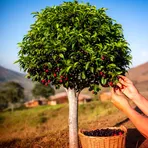
A Mexican tree that grows small dark cherries you can eat
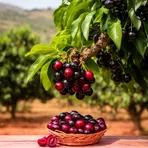
A small dark fruit like a cherry from Mexico and Central America, or the tree that grows it
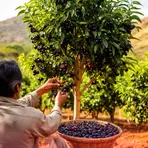
A Mexican black cherry tree from Central and South America with sweet edible fruit
Surface Forms
Morphology
The meaning 'a species of cherry tree native to Mexico with dark-colored fruit' is directly and transparently derived from combining 'Mexican' (relating to Mexico) + 'black' (dark-colored) + 'cherry' (the fruit/tree). This is a literal, descriptive adjective + noun composition common across languages, so a B1 learner who knows the constituent words will readily understand it.
Etymology
Mexican black cherry gets its name from three simple facts: it comes from Mexico, its small fruits look like cherries, and the ripe fruit is very dark, almost black. So today the name means 'a cherry tree from Mexico with dark-colored fruit'.

