

Matteuccia struthiopteris
- noun
- Specialized
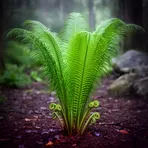
- Gardeners prize the Matteuccia struthiopteris for its lush, feathery foliage that resembles ostrich plumes.
Examples
-
The Matteuccia struthiopteris thrives in moist woodlands and is often used in shade gardens.
-
In spring, the young fiddleheads of Matteuccia struthiopteris are sometimes harvested for culinary use.
-
The Matteuccia struthiopteris is often found in moist, shady areas.
-
Many gardeners appreciate the beauty of Matteuccia struthiopteris.
-
Gardeners prize the Matteuccia struthiopteris for its lush, feathery foliage that resembles ostrich plumes.
-
In spring, the young fiddleheads of Matteuccia struthiopteris are sometimes harvested for culinary use.
-
The Matteuccia struthiopteris thrives in moist woodlands and is often used in shade gardens.
Synonyms


 1
9.9
1
9.9
A tall fern with long arching leaves that look like a feather
 1
7.4
1
7.4
A tall fern with large curved leaves that look like ostrich feathers

A tall fern with long, arching feathery leaves like ostrich feathers that grows in damp cool woods

A tall fern with long curved leaves that look like ostrich feathers
How Tall
1
6.1

- Specialized
31
2.4
- UK
14
3.9
Surface Forms
Morphology
Matteuccia + struthiopteris
This is a Latin scientific binomial (genus + species) made of a proper name and an obscure morphological form; the constituent items are taxonomic labels rather than ordinary English words. A B1 learner who 'knows' these constituents (one being a genus name and the other unknown) would not be able to derive the everyday meaning ('a tall ostrich-fern') because understanding requires botanical/Latin knowledge, so the meaning is not compositionally transparent.
Etymology
Matteuccia struthiopteris gets its name from how the plant looks: its tall, curved, feathery leaves look like an 'ostrich' feather. One part, struthiopteris, comes from words meaning 'ostrich' and 'fern', so the name helps you remember it is the fern with ostrich-like leaves.