
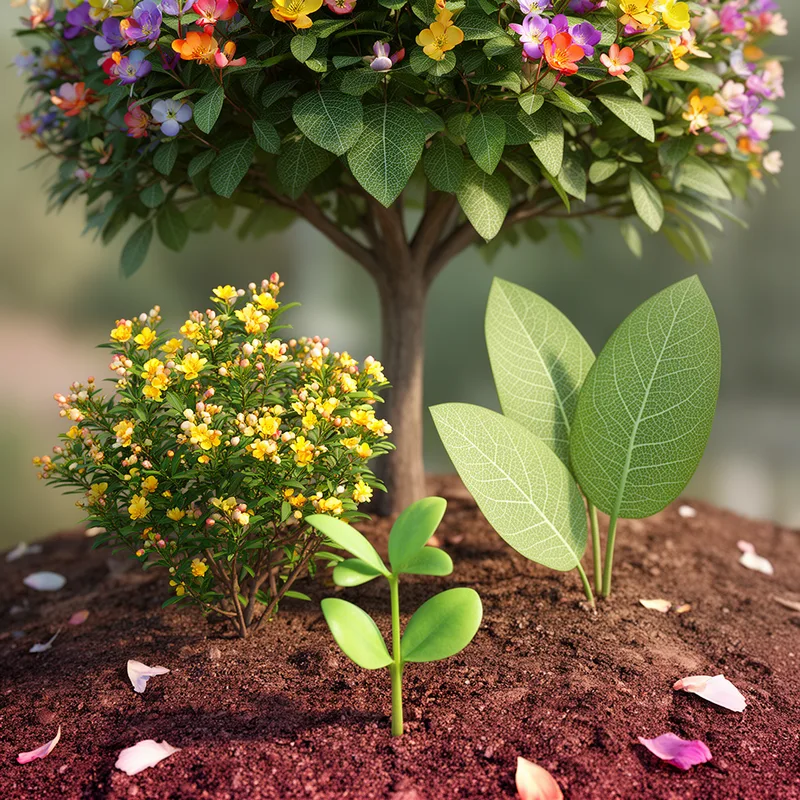
Magnoliopsida
- noun
- /mæɡˌnoʊliˈɑːpsɪdə/
- Specialized
- Most trees and shrubs you see in temperate regions belong to the Magnoliopsida.
Examples
-
Botanists debate on the precise boundaries of the Magnoliopsida class.
-
The class of Magnoliopsida includes many familiar garden plants.
-
The classification of Magnoliopsida includes a wide variety of flowering plant families.
-
Many Magnoliopsida species are known for their beautiful flowers.
-
The class of flowering plants known as Magnoliopsida includes species such as roses and beans, which have two cotyledons.
-
Botanists classify flowering plants into two groups, with Magnoliopsida representing those that have two cotyledons.
-
Among the Magnoliopsida, many plants are recognized for their distinct net-veined leaves and diverse flower shapes.
Synonyms
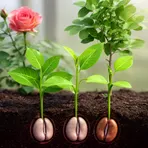
A group of flowering plants with seeds that have two seed leaves and net-like leaf veins

A group of flowering plants with seeds that have two seed leaves, like roses or oak trees
Surface Forms
Morphology
Magnoliopsida = Magnolia (opaque) = magnoli + opsida
This is a technical botanical class name built from the genus Magnolia and the taxonomic suffix -opsida, but the class meaning is not directly inferable for most learners.
Etymology
Magnoliopsida comes from the plant name Magnolia, named for the French botanist Pierre Magnol, and the scientific ending -opsida meaning 'group' of plants. So Magnoliopsida is the group of flowering broad-leaved plants like magnolias that usually have 'two seed leaves'.

