

Magnolia macrophylla
- noun
- /mæɡˈnoʊliə ˌmækrəˈfɪlə/
- Specialized
- The Magnolia macrophylla in our garden produces spectacular blooms every spring.
Examples
-
In summer, the large creamy flowers of the Magnolia macrophylla attract many pollinators to our garden.
-
Botanists are fascinated by the enormous leaves of the Magnolia macrophylla.
-
We spotted a rare Magnolia macrophylla while hiking through the southern forest.
-
The Magnolia macrophylla is often found in the wetlands of the southeastern United States.
-
Have you ever seen a Magnolia macrophylla in full bloom?
-
The Magnolia macrophylla can grow up to 30 feet tall, making it a prominent feature in any landscape.
-
During our visit to the botanical garden, we admired the impressive size of the Magnolia macrophylla trees.
Synonyms
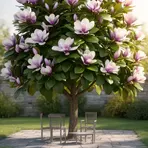
A large tree or shrub with very big leaves and creamy purple flowers

A large shrub or small tree with very big leaves and creamy flowers
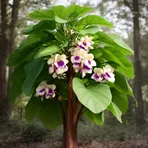
A tree or bush with very large leaves and creamy flowers with purple near their base
Surface Forms
Morphology
magnolia + macrophylla
The name pairs a familiar English noun 'magnolia' with the Latin/Greek compound 'macrophylla' (macro- = large, -phylla = leaf), so the intended sense 'large‑leaved magnolia' is analytically recoverable for learners who recognize botanical affixes. However, an average B1 learner is unlikely to know or parse the Latinized morphemes, so the meaning is only partially transparent and typically requires specialized or morphological knowledge.
Etymology
Magnolia macrophylla honors a French plant scientist, Pierre Magnol, so Magnolia is his name. The second part, macrophylla, comes from Greek words meaning 'large' and 'leaf', so the whole name points to the tree's very big leaves.

