
Macowanites americanus
- noun
- /məˈkaʊəˌnaɪts əˌmɛrɪˈkænəs/
- Specialized
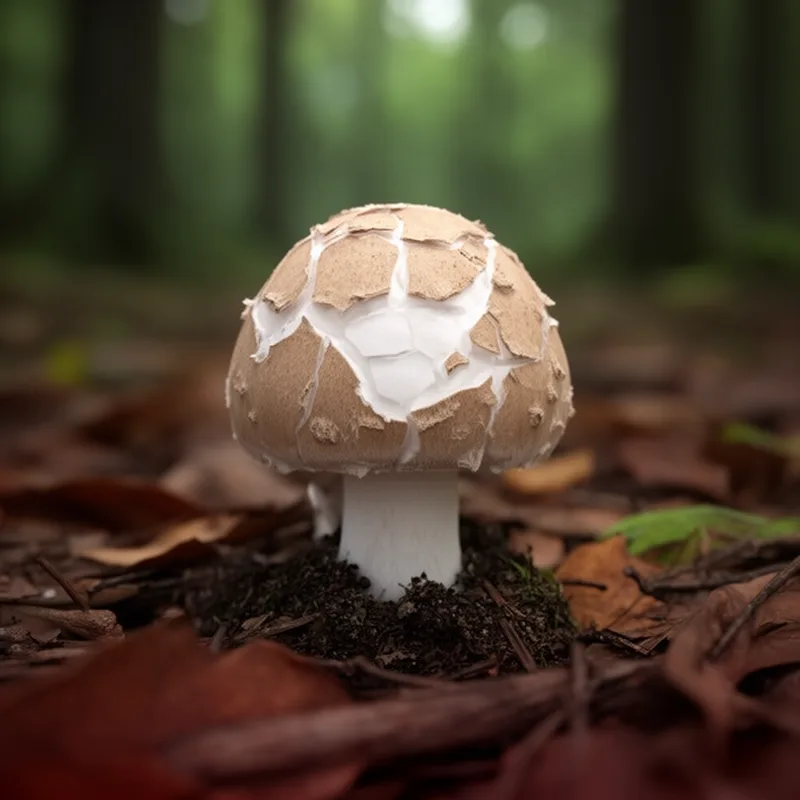
- The fragile cap of Macowanites americanus often cracks, revealing the white tissue beneath.
Examples
-
Mycologists carefully studied the almost enclosed stem of Macowanites americanus to distinguish it from similar fungi.
-
The Macowanites americanus is often found in damp, shaded areas.
-
Field guides recommend searching for Macowanites americanus in wooded areas during late summer.
-
Have you ever seen a Macowanites americanus in the wild?
-
Field guides recommend searching for Macowanites americanus in wooded areas during late summer.
-
The fragile cap of Macowanites americanus often cracks, revealing the white tissue beneath.
-
Mycologists carefully studied the almost enclosed stem of Macowanites americanus to distinguish it from similar fungi.
Surface Forms
Morphology
Macowanites + americanus
This is a Latin binomial taxonomic name (proper noun) for a species, so its specific meaning (‘a small fungus with a fragile, cracking cap…’) is not compositionally derived from the constituent words. Although 'americanus' may hint at a geographic association (American), that alone does not convey the diagnostic morphological features, so a B1 learner who knows the parts would not be able to infer the full meaning.
Etymology
Macowanites americanus may come from the mushroom's look: its fragile cap often cracks and shows white tissue below while the white stem stays mostly hidden under the cap. So the name helps you picture a 'small fungus' with a cracking cap and an almost-enclosed stem.

