

Lysichiton
- noun
- /ˌlaɪsɪˈkaɪtən/
- Specialized
- The western Lysichiton is noted for its large yellow spathes and pungent smell.
Examples
-
The distinctive scent of Lysichiton can often be detected in wetlands during spring.
-
Botanists discovered several Lysichiton plants thriving along the riverbanks.
-
The Lysichiton plant thrives in wetland areas.
-
Do you know about Lysichitons and their unique flowers?
-
The distinctive scent of Lysichiton can often be detected in wetlands during spring.
-
The western Lysichiton is noted for its large yellow spathes and pungent smell.
-
Botanists discovered several Lysichiton plants thriving along the riverbanks.
Synonyms
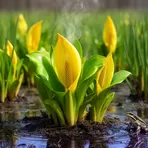
A small marsh plant like skunk cabbage that grows in wet places and has a strong smell
Compounds
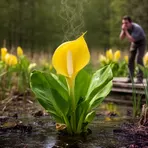
- Specialized
A marsh plant with a yellow leaf-like flower and a strong bad smell
Surface Forms
Etymology
The word Lysichiton comes from Greek parts lysi- and chiton, where lysi- means 'to loosen' and chiton means 'cover'. This name likely points to the plant's large flower cover called the spathe that loosens and comes apart when it opens, so thinking 'loose cover' can help you remember this skunk cabbage with its big leaves and strong smell.

