

Lygus
- noun
- Specialized
- Lygus and stink bugs were also problem insects, inflicting more damage in 1996 than in 1995.
- Lygus bug
Examples
-
" The most destructive of these secondary pests will be aphids, leafminers, lygus bugs, thrips, grape mealy bugs, and leafrollers."
Academic text (1995) -
Farmers must take steps to control lygus populations, as these small bugs can cause significant crop damage.
-
Cohen started with an existing diet that he created for indoor rearing of lygus bugs.
Academic text (2003) -
To meet the needs of beekeepers, he converted the lygus bug food from solid to liquid, blending ingredients that provide vital nutrients.
Academic text (2003) -
Each also has different combinations of secondary pests, including leafrollers, leafminers, leafhoppers, lygus, and stink bugs, and various mites and aphids.
Academic text (1997) -
Other current weaknesses at the site include an inability to correctly predict codling moth and leafroller damage, monitor natural enemies of the insects, and reliably sample and control secondary pests like lygus bugs.
Academic text (1997) -
The research focused on the impact of lygus on tomato plants in agricultural settings.
-
During the summer, we often see an increase in lygus infestations that threaten many crops.
Synonyms
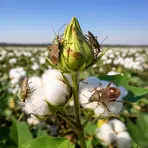
Small bugs that feed on plants and often damage crops like cotton
Compounds


- Specialized
A small insect in North America that damages crops like cotton and strawberries
Surface Forms
Etymology
The word Lygus likely comes from an old Greek word lygos meaning 'willow' or 'flexible'. A helpful way to remember it is to picture these small plant-sucking bugs on thin, bendy willow twigs. That's why Lygus is the name for a group of small plant-feeding insects, some of which are crop pests.

