

Lycopodium obscurum
- noun
- /ˌlaɪkəˈpoʊdiəm ɒbˈskjʊrəm/
- Specialized
- The shady forest floor was covered with Lycopodium obscurum, giving the area a lush, green look.
Examples
-
The Lycopodium obscurum thrives in shady, moist forests.
-
Many holiday wreaths use Lycopodium obscurum for its attractive, evergreen foliage.
-
Botanists studied the distribution of Lycopodium obscurum across the northeastern United States.
-
Have you seen the Lycopodium obscurum growing near the trail?
-
Many holiday wreaths use Lycopodium obscurum for its attractive, evergreen foliage.
-
The shady forest floor was covered with Lycopodium obscurum, giving the area a lush, green look.
-
Have you seen the Lycopodium obscurum growing near the trail?
Synonyms
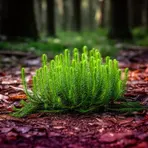
An evergreen plant that grows on the forest floor with creeping stems and upright leafy shoots

A small evergreen plant that looks like a tiny pine tree and grows on forest floors

A low plant that looks like a small evergreen tree but is not a tree
Surface Forms
Morphology
Lycopodium + obscurum
The name is a Latin binomial: 'Lycopodium' signals a plant genus (club moss), so a learner who knows that constituent would suspect this is a plant species. However 'obscurum' is a Latin epithet (not a normal English word) and the full, specific meaning and properties of the species are technical and not derivable from everyday English vocabulary. Because the genus gives a clear cue but the species epithet and taxonomic detail are not predictably interpretable by a B1 learner, the expression is only partially transparent.
Etymology
Lycopodium obscurum comes from old words: lyco meaning 'wolf' and podium meaning 'little foot', because the plant's low, branched shape can look like a tiny paw on the forest floor. The last word obscurum means 'dark' and points to the shady places it likes, so the name helps you picture a dark, ground-hugging evergreen plant.

