
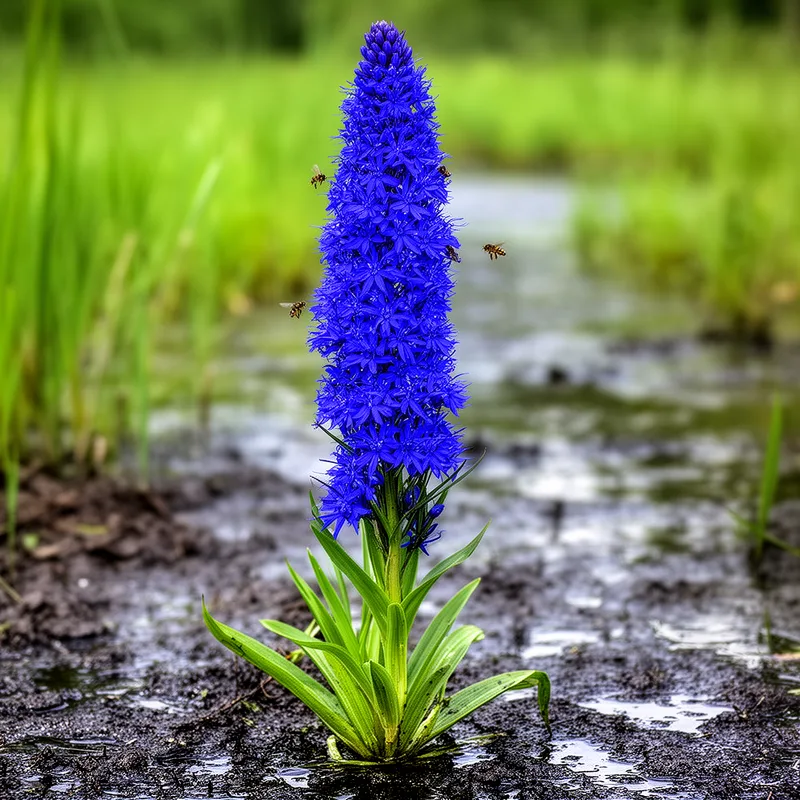
Lobelia siphilitica
- noun
- /loʊˈbiːliə sɪˌfɪlɪˈtɪkə/
- Specialized
- Gardeners prize Lobelia siphilitica for its striking blue flower spikes and hardiness.
Examples
-
Pollinators such as bees and butterflies are often attracted to Lobelia siphilitica when it blooms in late summer.
-
Lobelia siphilitica thrives in moist meadows and along stream banks in its native range.
-
The Lobelia siphilitica blooms beautifully in late summer.
-
I saw a garden filled with Lobelia siphilitica last weekend.
-
Lobelia siphilitica produces stunning blue flowers that attract many pollinators in eastern North America.
-
In my garden, Lobelia siphilitica stands tall with vibrant spikes of blue blossoms during the summer months.
-
Lobelia siphilitica grows well in moist, shaded areas and blooms beautifully from July to September.
Synonyms
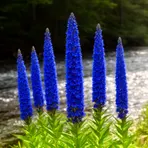
A tall plant from eastern North America with dense spikes of blue flowers

A tall leafy plant that grows back each year and has spikes of blue flowers
Surface Forms
Morphology
lobelia + siphilitica
This is a Latin binomial: 'Lobelia' names the plant genus but 'siphilitica' is a technical Latin epithet (not a common English word) and carries no transparent, compositional meaning for a B1 learner. Knowing 'lobelia' only signals a plant; the specific species identity and descriptive sense cannot be derived from the parts, so the expression is not predictable from its constituents.
Etymology
Lobelia siphilitica comes from an old medical idea: the second word siphilitica shows people once used the plant to try to treat 'syphilis'. Today the name only tells us which tall blue-flowered plant it is and does not mean the plant cures people.

