
Linosyris vulgaris
- noun
- Specialized
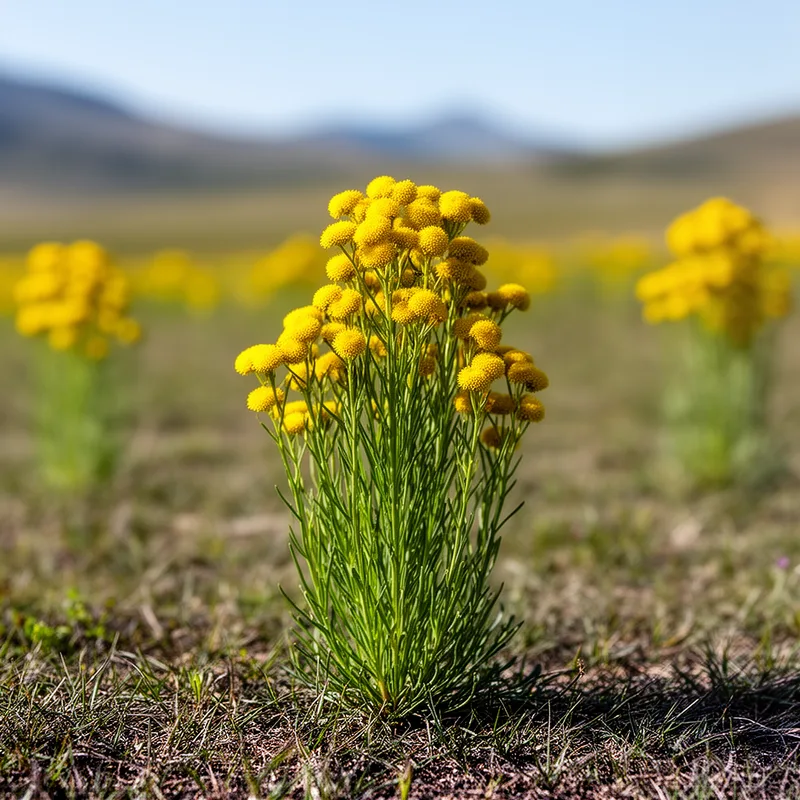
- The bright yellow flower heads of Linosyris vulgaris make it easy to mistake for goldenrod.
Examples
-
Botanists were pleased to discover a thriving patch of Linosyris vulgaris during their survey.
-
Linosyris vulgaris can be found in open fields throughout southeastern Europe.
-
The Linosyris vulgaris blooms beautifully in early spring.
-
Have you seen a Linosyris vulgaris in the wild?
-
Linosyris vulgaris can be found in open fields throughout southeastern Europe.
-
The bright yellow flower heads of Linosyris vulgaris make it easy to mistake for goldenrod.
-
The Linosyris vulgaris blooms beautifully in early spring.
Synonyms

 7
9.9
7
9.9

A small plant that blooms early in spring with yellow daisy-like flowers

A plant that lives many years and blooms early with yellow flowers like goldenrod

A plant that lives for many years and blooms early in summer with yellow flower heads
Surface Forms
Morphology
Linosyris + vulgaris
This is a Latin binomial: the genus name 'Linosyris' is not a normal English word (not in the learner dictionary) and 'vulgaris' is a Latin epithet meaning 'common' or 'widespread'. Even if a learner knew both constituent forms, the name functions as a taxonomic label and does not transparently convey the plant's appearance or meaning in everyday English, so the overall sense cannot be derived from the parts.
Etymology
Linosyris vulgaris may come from old Greek and Latin words: Linosyris may be linked to the Greek word 'linon' meaning 'flax', and vulgaris is a Latin word meaning 'common'. So the name gives a simple image — a 'common' plant with thin, flax-like stems and bright yellow flower heads.