
Levantine


 1
9.6
- noun
- /lɛˈvænˌtaɪn/
- Archaic
- But significantly, during the mid-1930s, as Nazi antisemitism became ever more brutal, sinister Jews disappeared from these novels, often to be replaced by sympathetic Jewish refugees: the sinister foreigner figure tended to be replaced by a Greek or 'Levantine.'
Examples
-
Except for the odd, eyeball rolling darkie to take his place alongside the swarthy yid, the oily Levantine and others of their kind.
-
Yet she knew the elderly singer didn't really expect her to bed down with him, that it was simply his casual, Levantine.
Fiction book (1996) -
And Ugarit and actually most of the entire Levantine coast, so from Syria, Lebanon through to Israel are just completely absent.
-
The artist grew up in a Levantine household, surrounded by rich cultural traditions that influenced her work.
-
He traced his roots back to the Levantine, connecting him to a long history of artists and thinkers from the region.
-
Her grandmother often spoke of the Levantine influence in their cooking, especially the spices and flavors native to that area.
Surface Forms
Morphology
Levantine = Levant (transparent) = Levant + ine
Derived from the place-name 'Levant' with '-ine' forming a denominal adjective or a noun meaning 'an inhabitant of the Levant', so the relation is straightforward.
Etymology
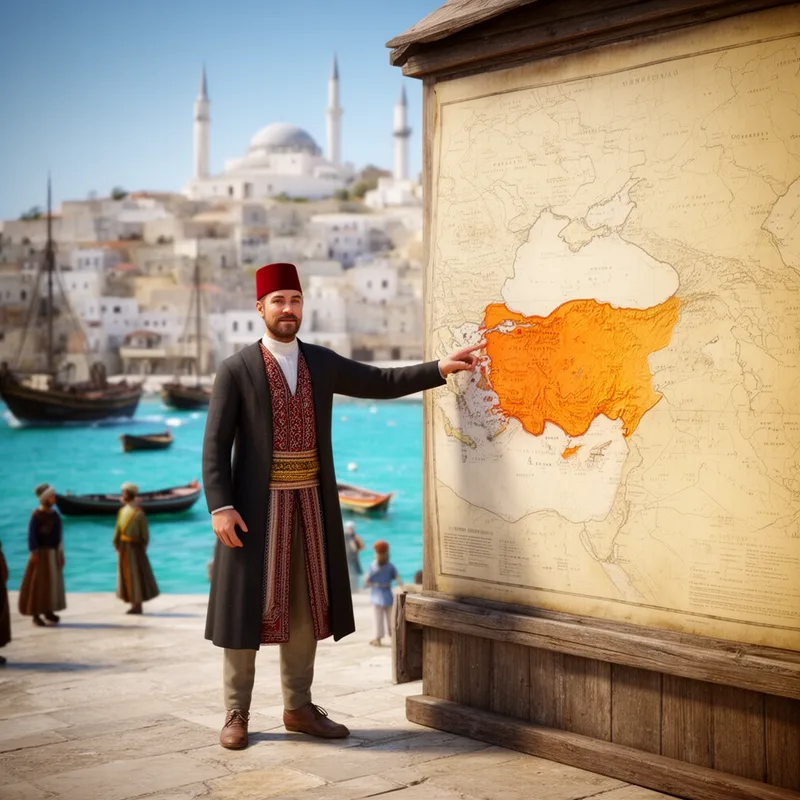
Levantine was originally used for a person from the Levant, whose name comes from old French and Italian meaning 'rising' and is linked to the same root as elevate ('to lift up'). That's why a Levantine means someone from the eastern Mediterranean.