

Leucaena
- noun
- /luˈkeɪnə/
- Specialized
- Farmers value Leucaena trees for their rapid growth and ability to fix nitrogen in the soil.
Examples
-
Leucaena is often planted in tropical regions to improve soil fertility and provide fodder for livestock.
-
The pods of Leucaena resemble those of the acacia but are slightly larger and more fleshy.
-
The Leucaena tree is known for its fast growth.
-
Farmers often plant Leucaena for soil improvement.
-
Leucaena is frequently cultivated in tropical areas to enhance soil quality and serve as nutritious forage for animals.
-
The Leucaena tree contributes significantly to sustainable agriculture by providing fodder and improving nitrogen levels in the soil.
-
Due to its acacia-like pods, Leucaena is often compared to other legumes, but it is uniquely valued for its multiple agricultural benefits.
Synonyms

A small group of tropical trees and shrubs from the Americas that help soil and give animal food and shade
Compounds
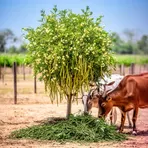
- Specialized
A small bushy tree with yellow-white flowers and long seed pods that farmers grow for animal fodder
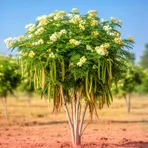
- Specialized
A low scrubby tree from warm countries with white or yellow flowers and long flat seed pods
- Specialized
A small group of tropical trees and shrubs from the Americas that help soil and give animal food and shade
Surface Forms
Etymology
Leucaena comes from the Greek root leuk- meaning 'white', because some species have pale or whitish flowers and seed pods. So the name helps you remember these tropical trees and shrubs by their light-coloured parts.

