

Leptopteris superba
- noun
- Specialized
- The Leptopteris superba thrives in damp, shaded forests of New Zealand's South Island.
Examples
-
Some classifications include Leptopteris superba in the genus Todea due to its similar features.
-
Botanists often admire the distinctive woolly stems of Leptopteris superba.
-
The Leptopteris superba thrives in the moist forests of New Zealand.
-
I found a Leptopteris superba during my hike last summer.
-
The Leptopteris superba, known for its woolly stalks, is often found in the lush ferns of New Zealand.
-
In the forests of New Zealand, the Leptopteris superba is recognized for its large pinnate fronds.
-
Many gardeners appreciate the Leptopteris superba for its unique appearance and resilience in shaded areas.
Synonyms
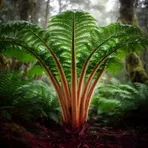
A large fern from New Zealand with feathery leaves and woolly stems

A fern from New Zealand with feathery leaves and a hairy stalk

A New Zealand fern with divided leaves and hairy stems

A New Zealand fern with divided leaves and very hairy stalks
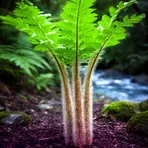
A fern from New Zealand with divided leaves and very woolly stalks
Surface Forms
Morphology
Leptopteris + superba
The first element 'Leptopteris' clearly identifies a fern genus, so a learner who knows that can infer this is a plant name; however 'superba' is a Latin species epithet (not defined here) and the phrase functions as a taxonomic proper name rather than a compositional English phrase. Because the genus gives a clear cue but the specific traits and the Latin epithet's meaning are not fully derivable without knowledge of scientific naming conventions, this is only partially predictable to a B1 learner.
Etymology
Leptopteris superba comes from old Greek and Latin parts: lepto- meaning 'thin', -pteris meaning 'fern' or 'wing', and superba meaning 'splendid' or 'showy'. So the name gives the picture of a 'thin, splendid fern', which fits this New Zealand species with fine divided fronds and woolly stalks.

