

Leptodactylus pentadactylus
- noun
- Specialized
- Herpetologists often compare the Leptodactylus pentadactylus to the North American bullfrog due to its size and appearance.
Examples
-
The Leptodactylus pentadactylus can grow larger than most other frogs in its habitat.
-
Scientists observed the Leptodactylus pentadactylus displaying unique vocal behaviors during the rainy season.
-
The Leptodactylus pentadactylus is often found near water bodies.
-
Have you ever seen a Leptodactylus pentadactylus in the wild?
-
Herpetologists often compare the Leptodactylus pentadactylus to the North American bullfrog because of its large size and distinctive features.
-
The Leptodactylus pentadactylus is known for its loud calls, which can be heard during the rainy season when they are most active.
-
You might spot a Leptodactylus pentadactylus near lakes and ponds as it prefers habitats close to water.
Synonyms
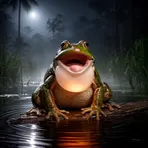
A large frog like a bullfrog that lives in swamps and croaks loudly

A large frog with teeth that lives in South and Central America
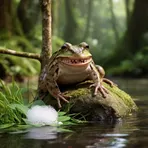
A frog from Central and South America that has teeth and lives on land, in water, or in trees
Surface Forms
Morphology
Leptodactylus + pentadactylus
The first constituent 'Leptodactylus' signals a frog genus, so a learner who knows that would recognise this as a species name referring to a frog. The second element contains Greek/Latin roots (penta- ‘five’, dactyl- ‘finger/toe’) so a knowledgeable learner could infer a morphological trait (e.g. five-toed), but the full descriptive meaning ('large, toothed frog resembling the bullfrog') is not directly derivable from the binomial. Because the name gives partial morphological and taxonomic clues but not the complete common-language description, it is only partially transparent to a B1 learner.
Etymology
Leptodactylus pentadactylus comes from Greek parts: lepto- meaning 'slender', dactylus meaning 'toe', and penta- meaning 'five'. So the name paints a simple picture of a frog with 'five slender toes', a clear physical image that helps you remember this large, bullfrog-like species.

