
Lepidodendraceae
- noun
- /ˌlɛpɪdoʊˈdɛnˌdreɪʃiˌi/
- Specialized
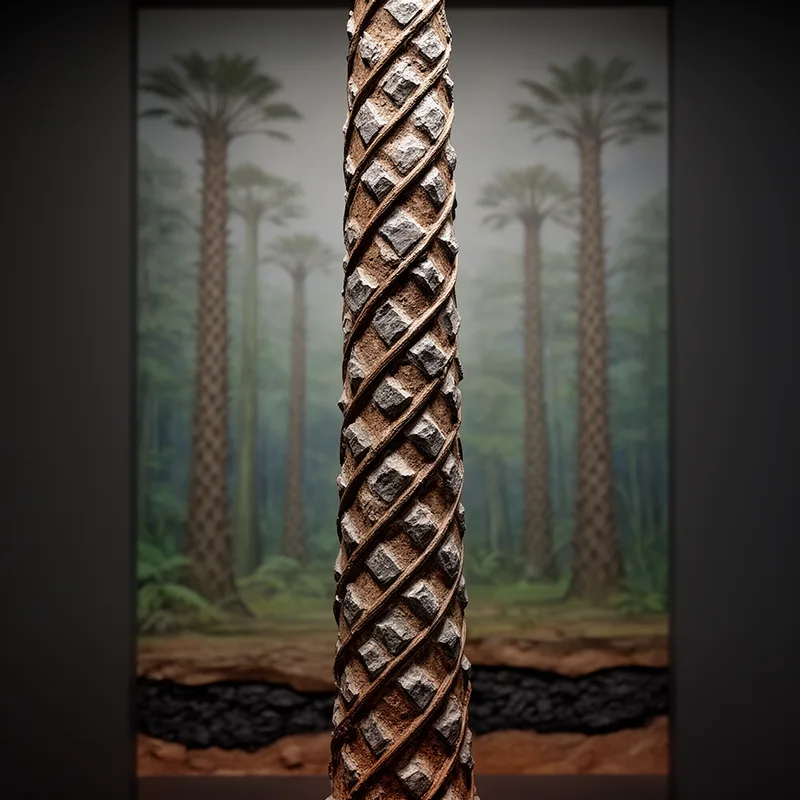
- The fossilized trunks of Lepidodendraceae display distinctive spiral leaf scar patterns.
Examples
-
The unique bark of Lepidodendraceae helps scientists reconstruct ancient forest environments.
-
The Lepidodendraceae family thrived during the Carboniferous period.
-
Paleontologists have identified Lepidodendraceae in coal deposits from the Carboniferous period.
-
Fossils of Lepidodendraceae can be found in many coal deposits.
-
Paleontologists have identified Lepidodendraceae in coal deposits from the Carboniferous period.
-
The fossilized trunks of Lepidodendraceae display distinctive spiral leaf scar patterns.
-
Fossils of Lepidodendraceae can be found in many coal deposits.
Surface Forms
Morphology
Lepidodendraceae = Lepidodendron (opaque) = lepido + dendron + aceae
Formation from a genus name plus the technical Latin family suffix '-aceae' is a specialist taxonomic process and not transparently meaningful to average learners.
Etymology
The word Lepidodendraceae comes from Greek parts lepido- meaning 'scale' and dendron meaning 'tree', with the ending -aceae showing it is a 'plant family'. These were tree-like plants with spiral, scale-like leaf scars, so the name helps you picture fossil 'scale trees'.

