

Leonotis nepetaefolia
- noun
- Specialized
- The vibrant orange flowers of Leonotis nepetaefolia attract hummingbirds to the garden.
Examples
-
Wild stands of Leonotis nepetaefolia can often be found along roadsides in tropical regions.
-
Traditional medicine in some countries uses Leonotis nepetaefolia for its reputed healing properties.
-
The garden was filled with vibrant Leonotis nepetaefolia plants.
-
Have you seen the Leonotis nepetaefolia in bloom?
-
The vibrant orange flowers of Leonotis nepetaefolia attract hummingbirds to the garden.
-
Traditional medicine in some countries uses Leonotis nepetaefolia for its reputed healing properties.
-
Wild stands of Leonotis nepetaefolia can often be found along roadsides in tropical regions.
Synonyms

A tropical plant of the mint family with tall stems and bright orange tube-shaped flowers
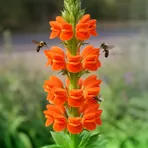
A plant with bright orange flowers shaped like small lips that grow in rings
Surface Forms
Morphology
Leonotis + nepetaefolia
This is a Latin scientific binomial rather than a compositional English phrase; the constituents are taxonomic names (one undefined) and not common English words, so a B1 learner who knows the pieces would not be able to infer the specific meaning 'tropical herbaceous plant with orange flowers'. Botanical Latin and species epithets are language-specific and require specialist knowledge, making the expression non-compositional for general learners.
Etymology
The plant name Leonotis nepetaefolia comes from two Latin parts that make a clear picture. The first part, Leonotis, means 'lion-like' because the bright orange rings of flowers look like a lion's mane or tail, and nepetaefolia means 'leaves like Nepeta' (a kind of mint), so the name helps you picture a lion-like flower with mint-type leaves.

