
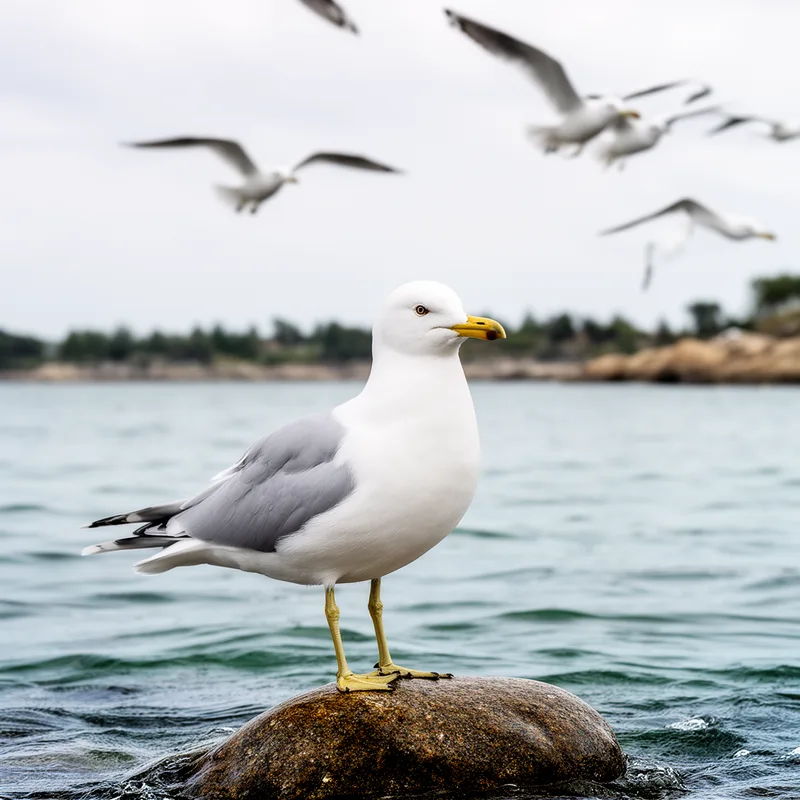
Larus canus
- proper noun
- Specialized
- The pale grey wings help distinguish Larus canus from other gull species.
Examples
-
The Larus canus is often seen searching for food along coastal waters.
-
During migration season, large flocks of Larus canus can be observed near lakes and rivers.
-
The Larus canus is often seen near coastal areas.
-
Have you ever spotted a Larus canus in the wild?
-
During migration season, large flocks of Larus canus can be observed near lakes and rivers.
-
The Larus canus is often seen searching for food along coastal waters.
-
The pale grey wings help distinguish Larus canus from other gull species.
Synonyms


 1
9.9
1
9.9
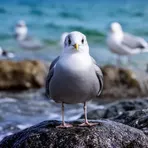
A small gull with grey and white feathers that lives by the sea
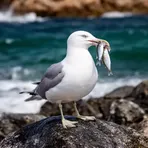
A medium white and grey bird that lives by the sea and eats fish
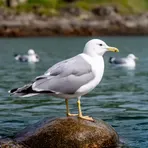
A medium-sized seabird with a grey back and white belly found in Europe, Asia, and northeastern North America
Surface Forms
Morphology
Larus + canus
This is a Latin binomial scientific name: 'Larus' identifies the gull genus but 'canus' is not an English lexical item (and is marked '[Word not found]'). A B1 learner who knows the English word 'gull' or 'Larus' would not be able to derive the specific species meaning from these constituents because the species epithet is language-specific and arbitrary to non-specialists. Scientific names are essentially proper nouns and thus opaque to typical learners.
Etymology
Larus canus comes from old Latin words: Larus, meaning 'gull', and canus, meaning 'grey'. This gives a clear image of the bird's look: pale grey wings and a white body, so the name fits the common grey-winged gull.