
Kurumba
- proper noun
 :
Kurumba
:
Kurumba
- Both these kinds of deadfall are used by the South Indian Kurumba, too (W. A. Noble pers. com.).
Examples
-
The Kurumba use these headdresses in funerary and agricultural contexts, which are linked to the veneration of ancestors.
Academic text (2007) -
The antelope masks of the Kurumba represent the power of the ancestors and are used in death rituals.
Academic text (2005) -
Antelope Mask (Noumtiri): Kurumba, Burkina Faso, first half 20th century.
Academic text (2005) -
She documented her research with a large collection of Kurumba art and material culture (660 objects), including a large typological selection of masks (Fig. 28).
Academic text (2005) -
The nature of their relationship is evidenced in correspondence in the object files and a number of significant gifts from Klejman, including a Dogon figure and a Kurumba headdress (Fig. 18), both of considerable age.
Academic text (2007) -
This bowl was in the possession of the Ayo Tanga, chief of Lourum, a small chiefdom of the Kurumba in the north of Burkina Faso, who reigned from c. 1949 until his death in 1958.
Academic text (2005) -
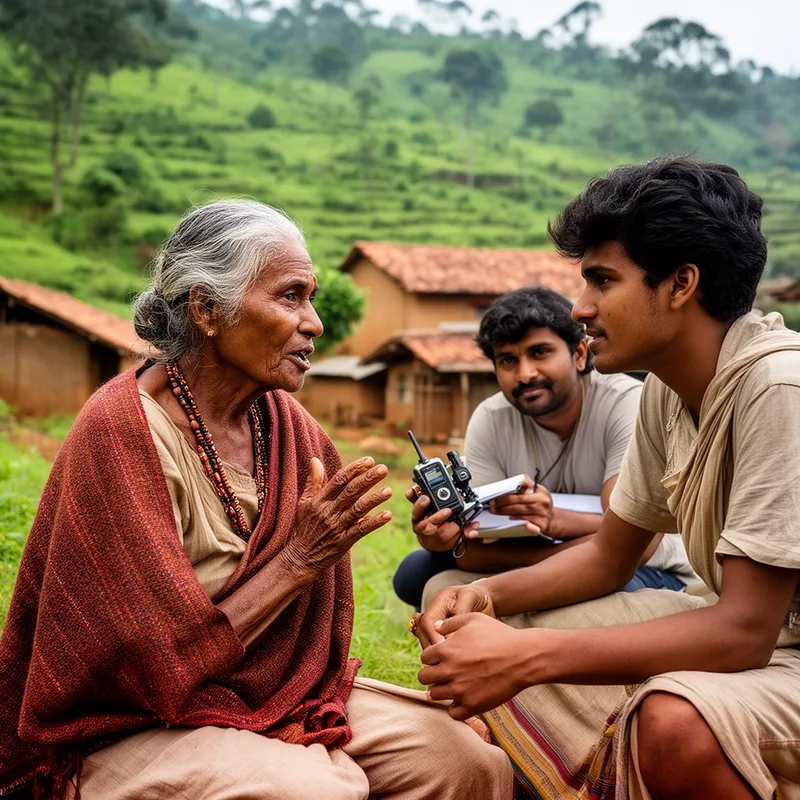
The Kurumba are known for their intricate art and vibrant cultural traditions.
-
Many members of the Kurumba community speak their native language fluently.
-
The Kurumba people have a rich heritage that includes unique rituals and ceremonies.
Surface Forms
Etymology
Kurumba comes from local languages of southern India and was used for small hill communities. A helpful way to remember it is to think of Kurumba as 'people of the hills', which explains why Kurumba names both the group and their language.

