
Juncus effusus
- noun
- Specialized
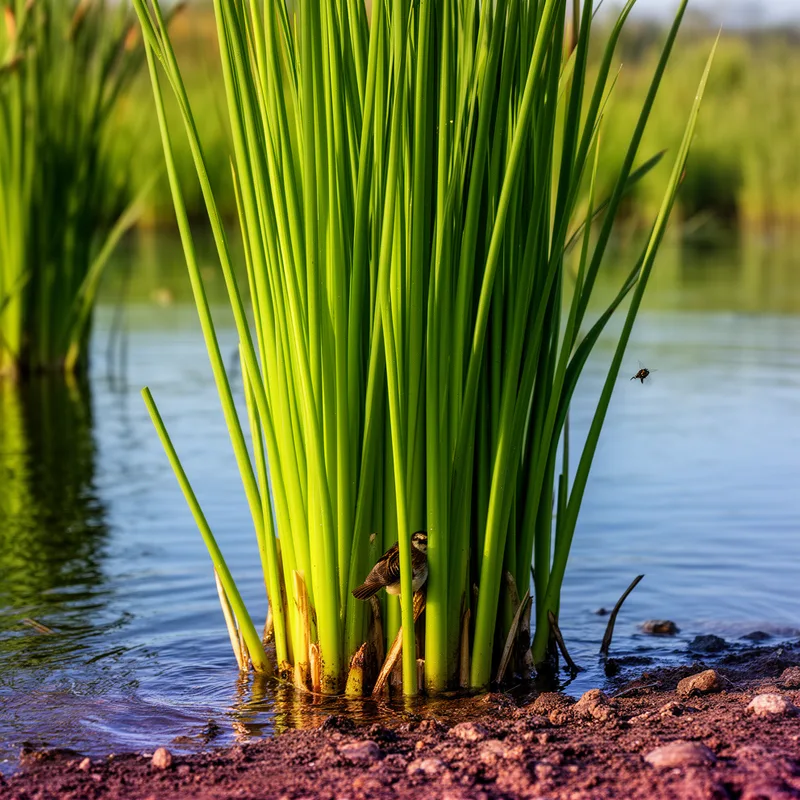
- The soft, cylindrical stems of Juncus effusus are a common sight in marshes and along pond edges.
Examples
-
Many birds and insects find shelter among the dense clumps of Juncus effusus.
-
Juncus effusus is often planted in constructed wetlands for its ability to filter water.
-
The Juncus effusus thrives in wetland areas.
-
Have you seen a Juncus effusus plant before?
-
Juncus effusus is commonly found in wetlands, where it helps create habitats for diverse wildlife.
-
In many wetlands, the tall rush known as Juncus effusus grows alongside various aquatic plants.
-
The erect stems of Juncus effusus sway gracefully in the gentle breeze near the water's edge.
Synonyms

A tall plant with many soft, upright stems that grows at the edges of ponds and marshes

A tall grass-like plant with soft upright stems that grows in wet places
Surface Forms
Morphology
Juncus + effusus
This is a Latin botanical binomial (a proper taxonomic name), so it functions as a label rather than a compositional English phrase; species epithets and genus names do not follow everyday English composition patterns and are not predictable to learners. The second element 'effusus' is not given as a known English word here, and even if a learner recognized 'Juncus' as a rush, the full descriptive meaning (‘a tall rush with soft, erect or arching stems’) is not transparently derivable, making it opaque to a B1 learner.
Etymology
The plant name Juncus effusus comes from Latin: Juncus means 'rush' and effusus means 'poured out'. Picture soft, thin stems falling in loose clumps like something poured into water, and that's why the name fits this spreading wetland plant.

