
Indic
- noun
- /ˈɪndɪk/
- Specialized
- Given the importance of gurus in Indic society even today, it might seem natural that the mathas within which they resided would occupy a critical position in the canon of South Asian architectural history.
Examples
-
Rivers, and especially the confluence of two or more bodies of water, are often considered sacred in Indic traditions, and the Son is all the more so because it both functions as the principal southern tributary of the holiest river, the Ganges, and finds its source at Amarkanthak, another major tirtha.
Academic text (2008) -
The term guru appeared in Indic traditions as early as the first millennium BCE, the period in which the ancient Hindu Vedas and Upanishads were being consolidated into a distinct written corpus.
Academic text (2008) -
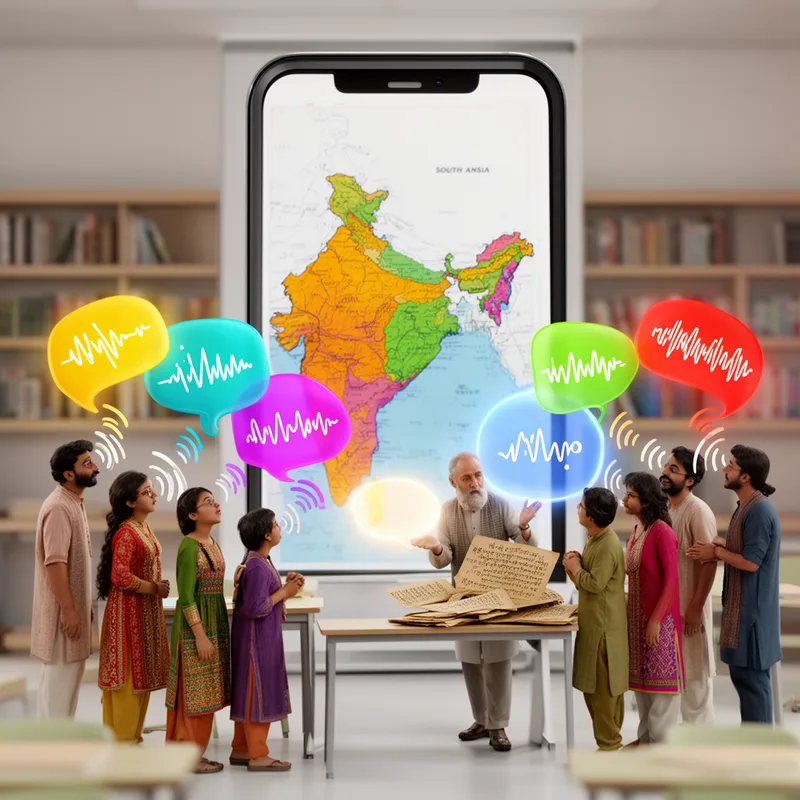
Hindi and Bengali are two of the most widely spoken Indic languages in India.
-
Many ancient texts, including the Vedas, were composed in Indic languages which are fundamental to understanding Indian culture.
-
The study of Indic languages reveals a rich tapestry of dialects and traditions native to the Indian subcontinent.
Synonyms

A group of South Asian languages including Hindi and Bengali
Surface Forms
Etymology
Indic comes from an old word for India that means 'of India'. So, Indic languages are simply the languages of the Indian subcontinent, like Hindi and Bengali.

