

Illicium


 1
9.9
1
9.9
- noun
- /ˈɪlɪsiəm/
- Specialized
- Botanists discovered a rare species of Illicium in the mountainous region.
Examples
-
The Illicium tree can grow up to 15 feet tall.
-
The gardener planted several Illicium shrubs for their fragrant leaves and attractive flowers.
-
The dried fruits of the Illicium tree are often used as a spice in Asian cuisine.
-
Many people use Illicium leaves for their aromatic properties.
-
The garden designer suggested using illicium to create a fragrant border around the pathway.
-
In the botanical garden, we admired the illicium trees, which emitted a pleasant aroma when touched.
-
Many gardeners appreciate illicium plants for their evergreen foliage and subtle fragrance.
Synonyms
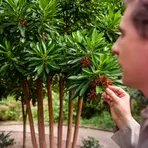
A group of evergreen trees with aromatic leaves like star anise
Compounds

- Specialized
A small evergreen tree from Japan and Taiwan with star-shaped fruit that is poisonous if eaten
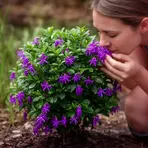
- Specialized
A small bush that stays green all year and has purple flowers and a strong smell

- Specialized
A small tree from China and Vietnam with star-shaped fruit that smell of anise and are used as a spice
Surface Forms
Etymology
Illicium comes from the Latin illicium, meaning 'a lure' or 'temptation'. Botanists named the plant this because its strong, pleasant smell seems to 'lure' people and animals, which fits the fragrant star anise and its relatives.